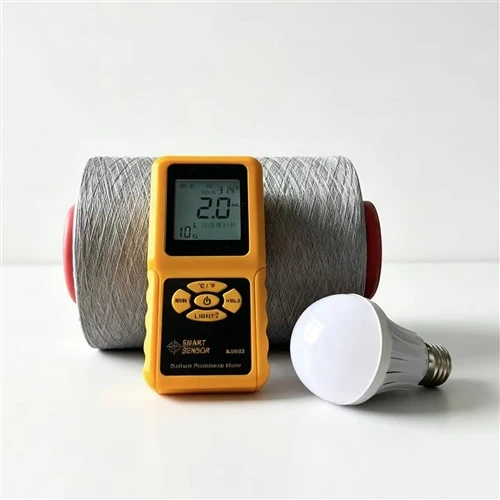
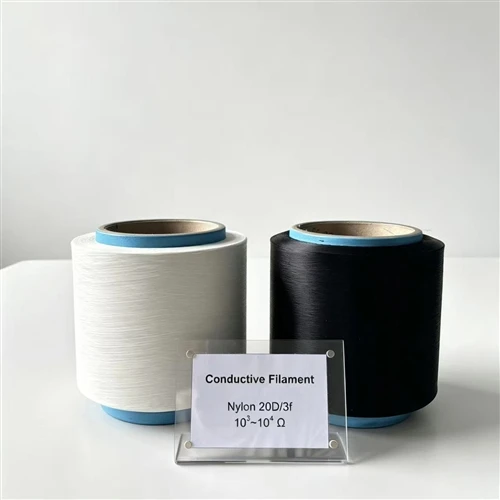
Conductive fiber filaments have emerged as a revolutionary material in various industries, offering unique electrical properties combined with the flexibility and processability of fibers. As a leading supplier of conductive fiber filaments, I am excited to share insights into the different types of these remarkable materials and their diverse applications.
Carbon-Based Conductive Fiber Filaments
Carbon-based conductive fiber filaments are among the most widely used types in the market. They are typically composed of carbon fibers or carbon nanotubes embedded in a polymer matrix. Carbon fibers are known for their high strength, stiffness, and excellent electrical conductivity. They are commonly used in aerospace, automotive, and sports equipment industries due to their lightweight and high-performance characteristics.
Carbon nanotubes, on the other hand, are cylindrical nanostructures made of carbon atoms. They possess extraordinary electrical, mechanical, and thermal properties, making them ideal for applications requiring high conductivity and flexibility. Carbon nanotube-based conductive fiber filaments are often used in wearable electronics, smart textiles, and flexible sensors.
One of the key advantages of carbon-based conductive fiber filaments is their high conductivity, which allows for efficient transmission of electrical signals. They also exhibit good chemical stability and resistance to corrosion, making them suitable for use in harsh environments. Additionally, carbon-based fibers can be easily processed into various forms, such as yarns, fabrics, and composites, enabling their integration into a wide range of products.
Metal-Coated Conductive Fiber Filaments
Metal-coated conductive fiber filaments are another popular type of conductive material. These filaments are typically made by coating a base fiber, such as polyester or nylon, with a thin layer of metal, such as copper, silver, or nickel. The metal coating provides the electrical conductivity, while the base fiber provides the mechanical strength and flexibility.
Metal-coated conductive fiber filaments offer several advantages over other types of conductive materials. They are relatively inexpensive to produce, making them a cost-effective solution for many applications. They also exhibit good electrical conductivity and can be easily integrated into existing manufacturing processes. Additionally, metal-coated fibers can be customized to meet specific requirements, such as varying levels of conductivity or different metal coatings.
One of the main applications of metal-coated conductive fiber filaments is in the field of electromagnetic shielding. These filaments can be used to create fabrics and composites that block electromagnetic radiation, protecting electronic devices and sensitive equipment from interference. They are also used in anti-static applications, where they help to dissipate static electricity and prevent damage to electronic components.
Conductive Polymer Fiber Filaments
Conductive polymer fiber filaments are a relatively new type of conductive material that has gained significant attention in recent years. These filaments are made from polymers that have been chemically modified to exhibit electrical conductivity. Conductive polymers offer several advantages over other types of conductive materials, including their lightweight, flexibility, and ease of processing.
Conductive polymer fiber filaments can be used in a wide range of applications, including sensors, actuators, and energy storage devices. They are particularly well-suited for use in wearable electronics, where their flexibility and comfort make them ideal for integration into clothing and other textile-based products. Conductive polymers can also be used to create smart fabrics that can sense and respond to changes in the environment, such as temperature, humidity, or pressure.
One of the challenges associated with conductive polymer fiber filaments is their relatively low electrical conductivity compared to other types of conductive materials. However, ongoing research and development efforts are focused on improving the conductivity of these materials and expanding their range of applications.
Hybrid Conductive Fiber Filaments
Hybrid conductive fiber filaments are a combination of two or more different types of conductive materials. These filaments are designed to combine the advantages of each individual material, resulting in a product that offers superior performance and functionality.
For example, a hybrid conductive fiber filament might consist of a carbon fiber core coated with a layer of metal, such as silver. This combination would provide the high strength and stiffness of the carbon fiber, along with the excellent electrical conductivity of the silver coating. Hybrid filaments can also be made by combining conductive polymers with other types of fibers or materials, such as carbon nanotubes or metal nanoparticles.
Hybrid conductive fiber filaments offer several advantages over single-component filaments. They can be tailored to meet specific requirements, such as high conductivity, flexibility, or strength. They also offer improved performance in terms of electrical conductivity, mechanical properties, and chemical stability. Additionally, hybrid filaments can be used in a wider range of applications, as they combine the unique properties of different materials.
Applications of Conductive Fiber Filaments
Conductive fiber filaments have a wide range of applications in various industries, including electronics, textiles, aerospace, automotive, and healthcare. Some of the key applications of these materials are discussed below:
Electronics
Conductive fiber filaments are used in the electronics industry for a variety of applications, including printed circuit boards, flexible electronics, and electromagnetic shielding. They can be used to create conductive traces, interconnects, and sensors, enabling the development of high-performance electronic devices.
Textiles
In the textile industry, conductive fiber filaments are used to create smart textiles that can sense and respond to changes in the environment. These textiles can be used for a variety of applications, such as monitoring vital signs, detecting environmental pollutants, and providing feedback to the user. Conductive fibers can also be used to create anti-static fabrics, which are used in cleanrooms and other environments where static electricity can cause damage to electronic components.
Aerospace and Automotive
Conductive fiber filaments are used in the aerospace and automotive industries for a variety of applications, including electromagnetic shielding, lightning strike protection, and structural health monitoring. They can be used to create lightweight and high-strength composites that offer excellent electrical conductivity and mechanical properties.

Healthcare
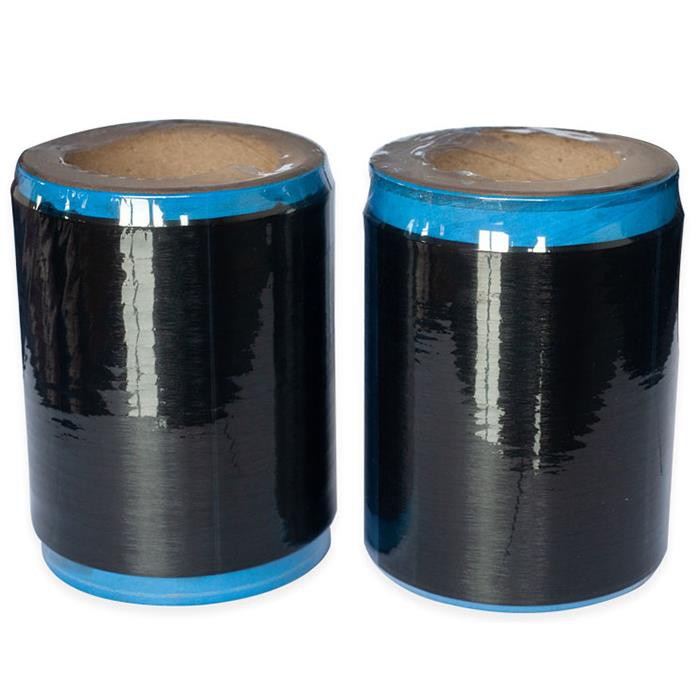
In the healthcare industry, conductive fiber filaments are used to create wearable sensors and monitoring devices that can track vital signs, such as heart rate, blood pressure, and body temperature. These devices can be used for a variety of applications, such as remote patient monitoring, sports performance tracking, and disease diagnosis.
Conclusion
Conductive fiber filaments are a versatile and innovative material that offers a wide range of benefits and applications. As a supplier of conductive fiber filaments, I am committed to providing high-quality products that meet the needs of our customers. Whether you are looking for carbon-based fibers, metal-coated fibers, conductive polymers, or hybrid filaments, we have the expertise and experience to help you find the right solution for your application.
If you are interested in learning more about our conductive fiber filaments or would like to discuss your specific requirements, please do not hesitate to contact us. We would be happy to provide you with more information and answer any questions you may have.
References
- "Conductive Polymers: A Review of Their Synthesis, Properties, and Applications" by A. G. MacDiarmid, J. C. Chiang, and A. J. Heeger.
- "Carbon Nanotubes: Properties and Applications" by M. S. Dresselhaus, G. Dresselhaus, and P. C. Eklund.
- "Electromagnetic Shielding Materials: Principles, Properties, and Applications" by C. L. Choy.