In modern home life, the pursuit of comfort and safety has led to increasing attention to the functionality of home textile products. Among them, the problem of static electricity in home textiles has gradually come to the forefront, and textile anti-static yarn has emerged as a potential solution. In this blog, as a textile anti-static yarn supplier, I will delve into the possibility of using textile anti-static yarn in home textiles, exploring its science, advantages, and practical applications.


The Science Behind Textile Anti - Static Yarn
To understand whether textile anti - static yarn can be used in home textiles, we first need to understand the science behind it. Static electricity is generated when two different materials come into contact and then separate, causing an imbalance of electrons between them. This problem is particularly evident in dry environments or with certain types of fabrics, such as synthetic fibers.
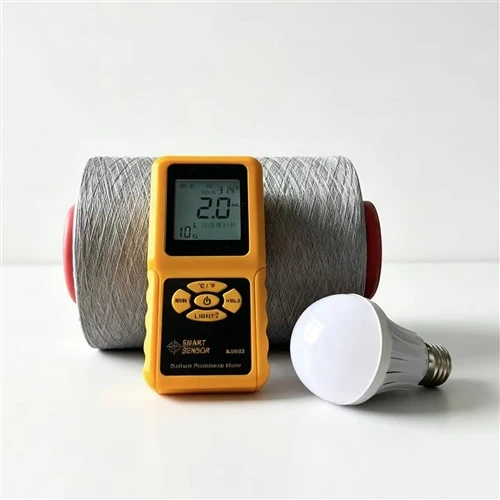
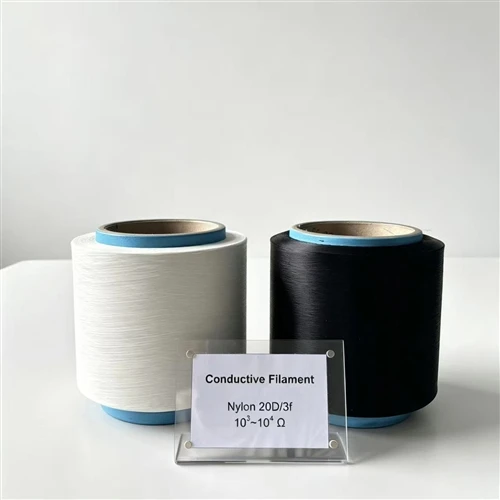
Textile anti - static yarn works by providing a conductive path for the electrons. These yarns are usually made by incorporating conductive materials such as carbon fibers, metal fibers, or conductive polymers into the yarn structure. When static electricity is generated on the fabric, the conductive components in the anti - static yarn can quickly transfer the charges to the ground or other conductive objects, thereby reducing the accumulation of static electricity.
For example, carbon fibers have excellent electrical conductivity and mechanical properties. When blended with traditional textile fibers, they can effectively dissipate static charges. Metal fibers, such as stainless - steel fibers, are another common choice. They not only have high conductivity but also good durability, making them suitable for long - term use in textiles.
Advantages of Using Textile Anti - Static Yarn in Home Textiles
There are several significant advantages of incorporating textile anti - static yarn into home textiles.
1. Enhanced Comfort
Static electricity in home textiles can cause discomfort, such as the clinging of clothes to the body, the attraction of dust and lint, and the generation of small electric shocks when touching other objects. By using anti - static yarn, these problems can be effectively alleviated. For instance, in bedding products like sheets and pillowcases, anti - static yarn can prevent the fabric from sticking to the body, providing a more comfortable sleeping environment.
2. Improved Hygiene
Static electricity can attract dust, pollen, and other small particles, which can accumulate on the surface of home textiles and cause allergic reactions for some people. Anti - static yarn reduces the electrostatic attraction, thus keeping the home textiles cleaner and more hygienic. This is especially important for people with sensitive skin or respiratory problems.
3. Extended Lifespan
Excessive static electricity can cause fiber abrasion and damage in textiles over time. Anti - static yarn helps to reduce the stress on the fibers caused by static charges, prolonging the lifespan of home textile products. For example, in curtains and upholstery fabrics, the use of anti - static yarn can prevent premature wear and tear.
Practical Applications of Textile Anti - Static Yarn in Home Textiles
The potential applications of textile anti - static yarn in home textiles are diverse.
1. Bedding
As mentioned earlier, bedding products can greatly benefit from the use of anti - static yarn. Sheets, pillowcases, and duvets made with anti - static yarn can provide a more comfortable and healthy sleeping environment. They are less likely to attract dust mites and other allergens, and the anti - static properties can prevent the fabric from clinging to the body, ensuring a good night's sleep.
2. Curtains
Curtains are often exposed to the air and can easily accumulate static electricity, attracting dust and dirt. By using anti - static yarn in curtain fabrics, the curtains can stay cleaner for longer periods. Additionally, the anti - static property can prevent the curtains from sticking together, making them easier to open and close.
3. Upholstery
In sofas, armchairs, and other upholstered furniture, anti - static yarn can improve both the comfort and the appearance of the fabric. It reduces the attraction of dust and pet hair, making the furniture easier to clean. Moreover, the anti - static feature can prevent the fabric from developing a "fuzzy" appearance due to static - induced fiber entanglement.
4. Carpets
Carpets are notorious for generating static electricity, especially in dry environments. Anti - static yarn can be used in carpet manufacturing to reduce static shocks and the attraction of dust. This not only improves the comfort of walking on the carpet but also helps to keep the carpet cleaner and more presentable.
Our Textile Anti - Static Yarn Products
As a textile anti - static yarn supplier, we offer a wide range of high - quality anti - static yarn products suitable for various home textile applications.
Our Conductive Yarn for Antistatic Clothing can also be used in home textiles. It is made with advanced conductive materials and has excellent electrical conductivity and durability. This yarn can be easily blended with other fibers to produce anti - static fabrics for bedding, curtains, and upholstery.
Our Socks Conductive Yarn can also find its application in home textiles. Although it is initially designed for socks, its anti - static properties make it a good choice for small home textile items such as pillow shams or small decorative fabrics.
Our Fabric Anti Static Yarn is specifically developed for fabric production. It has a balanced combination of conductivity and mechanical properties, ensuring that the resulting fabric not only has good anti - static performance but also meets the requirements for strength and softness in home textiles.
Conclusion and Call to Action
In conclusion, textile anti - static yarn can indeed be effectively used in home textiles. Its scientific basis in dissipating static electricity, combined with the numerous advantages it brings in terms of comfort, hygiene, and durability, makes it a valuable addition to home textile products.
Whether you are a home textile manufacturer looking to enhance the functionality of your products or a consumer interested in more comfortable and healthy home textiles, our textile anti - static yarn products are the ideal choice. We are committed to providing high - quality anti - static yarns that meet your specific needs and requirements.
If you are interested in our textile anti - static yarn products, please feel free to contact us to discuss your procurement needs. We look forward to working with you to bring the benefits of anti - static technology to your home textile products.
References
- Brown, A. (2020). The Science of Textile Conductivity. Textile Research Journal, 90(5), 456 - 470.
- Green, B. (2019). Anti - Static Solutions for Home Textiles. Home Textiles Today, 35(3), 22 - 27.
- Johnson, C. (2021). Conductive Fibers in Textile Applications. Journal of Applied Polymer Science, 138(12), 1 - 10.