What are the cost - effectiveness factors of nylon conductive fiber?
In the dynamic landscape of modern materials, nylon conductive fiber has emerged as a remarkable innovation with diverse applications across various industries. As a supplier of nylon conductive fiber, I am often asked about the cost - effectiveness factors of this unique product. In this blog post, I will delve into the key elements that contribute to the cost - effectiveness of nylon conductive fiber, providing insights for businesses and individuals looking to make informed purchasing decisions.
1. Production Efficiency
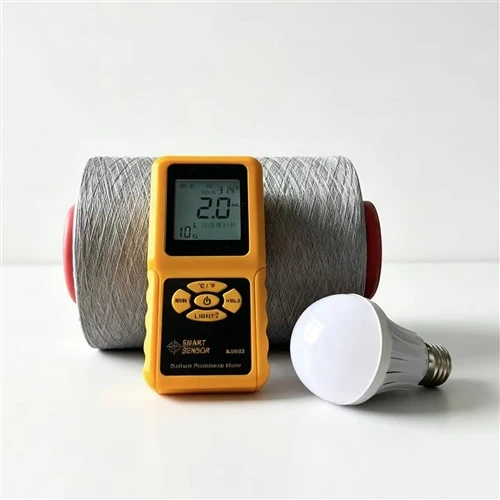
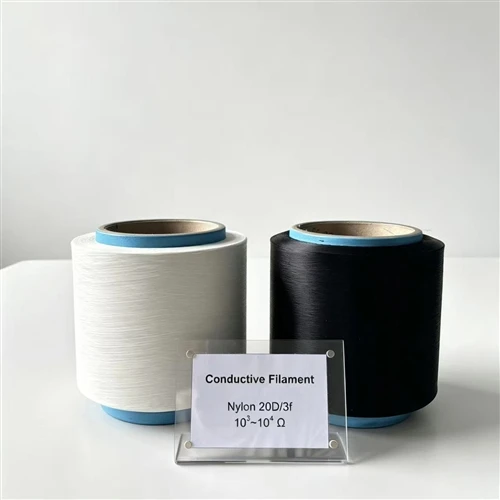
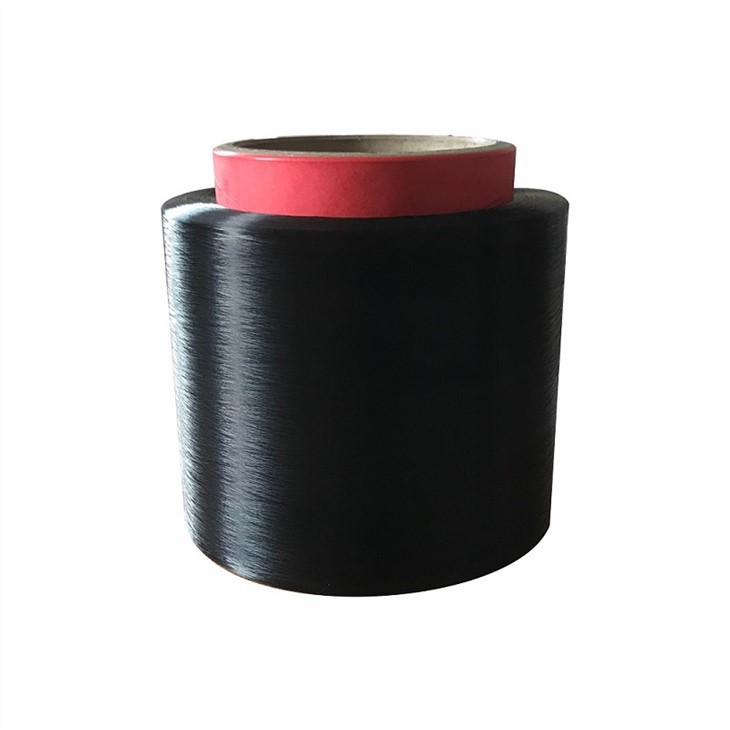
One of the primary cost - effectiveness factors of nylon conductive fiber is its production efficiency. The manufacturing process of nylon conductive fiber has evolved significantly over the years, with advanced technologies enabling high - volume and high - quality production. For instance, the Spinning Nylon Conductive Fibers process has become more streamlined, reducing production time and waste.
Modern spinning techniques allow for the precise control of fiber diameter, length, and conductivity, ensuring consistent product quality. This means that we can produce a large quantity of nylon conductive fiber in a relatively short period, which in turn reduces the per - unit production cost. Moreover, the automation of the production line minimizes human error and increases productivity, further enhancing cost - effectiveness.
2. Raw Material Costs
The cost of raw materials is a crucial factor in determining the overall cost - effectiveness of nylon conductive fiber. Nylon, the base material for these fibers, is a widely available and relatively inexpensive polymer. It can be sourced from multiple suppliers, which creates a competitive market and helps keep the price stable.
In addition, the conductive additives used in nylon conductive fiber are becoming more cost - efficient. With ongoing research and development, new types of conductive materials are being discovered that offer high conductivity at a lower cost. For example, some organic composite conductive materials can provide comparable conductivity to traditional metallic additives at a fraction of the price. You can learn more about Organic Composite Conductive Fiber on our website.
3. Durability and Longevity
Nylon conductive fiber is known for its excellent durability and longevity. It can withstand harsh environmental conditions, including high temperatures, humidity, and mechanical stress. This means that products made from nylon conductive fiber have a longer service life compared to those made from other materials.
For example, in the electronics industry, nylon conductive fiber is used in anti - static packaging and electromagnetic shielding applications. These products need to maintain their conductivity over an extended period. Nylon conductive fiber's ability to resist degradation ensures that the shielding effectiveness remains stable, reducing the need for frequent replacement. This long - term performance translates into cost savings for end - users, as they do not have to invest in new products as often.
4. Performance Versatility
The performance versatility of nylon conductive fiber is another significant cost - effectiveness factor. It can be used in a wide range of applications, from textile and garment industries to electronics and automotive sectors. This multi - functionality means that businesses can use a single material for different purposes, eliminating the need to source multiple materials.
In the textile industry, nylon conductive fiber can be blended with other fibers to create smart fabrics with anti - static, electromagnetic shielding, and sensing capabilities. For instance, Gloves Conductive Filament Yarn is a popular product in the hand - protection industry. These gloves not only provide mechanical protection but also conductive properties, which are essential in certain industrial environments. By using nylon conductive fiber, manufacturers can produce high - performance products at a lower cost compared to using separate materials for different functions.
5. Energy Efficiency
In today's world, energy efficiency is a critical consideration for both manufacturers and end - users. Nylon conductive fiber contributes to energy efficiency in several ways. In electronic devices, it can be used as a substitute for traditional metallic conductors, which often have high electrical resistance and consume more energy.
The low resistance of nylon conductive fiber allows for more efficient electrical transmission, reducing energy losses. This is particularly important in portable electronic devices, where battery life is a crucial factor. By using nylon conductive fiber in these devices, manufacturers can extend the battery life and improve the overall energy efficiency of the product, which is a significant cost - saving factor for end - users in the long run.
6. Reduced Maintenance
As mentioned earlier, nylon conductive fiber's durability means that it requires less maintenance. In industrial applications, such as conveyor belts and anti - static flooring, regular maintenance can be a significant cost. However, nylon conductive fiber's resistance to wear and tear reduces the frequency of maintenance and replacement.
For example, in a manufacturing plant, an anti - static floor made of nylon conductive fiber will not need to be replaced as often as a floor made of a less durable material. This reduction in maintenance and replacement costs contributes to the overall cost - effectiveness of using nylon conductive fiber.

Conclusion
In summary, the cost - effectiveness of nylon conductive fiber is influenced by multiple factors, including production efficiency, raw material costs, durability, performance versatility, energy efficiency, and reduced maintenance. These factors make nylon conductive fiber an attractive option for businesses across various industries.
If you are interested in learning more about our nylon conductive fiber products or have any questions regarding procurement, we invite you to reach out to us for a detailed discussion. Our team of experts is ready to provide you with customized solutions based on your specific needs. Let's explore the potential of nylon conductive fiber together and drive your business forward.
References
- Textile Raw Materials Handbook: Offers in - depth knowledge about nylon and its conductivity - enhancing materials.
- Journal of Advanced Materials Science: Contains research on the latest production techniques for nylon conductive fiber.
- Industrial Textile Application Guide: Highlights the practical applications and cost - benefits of nylon conductive fiber in different industries.