Hey there! As a supplier of anti-static fiber, I've been in the game for quite some time, and I often get asked about the standards for anti-static fiber. So, I thought I'd take a moment to share my insights on this topic.
First off, let's talk about what anti-static fiber is. Anti-static fiber is a special type of fiber that has the ability to reduce or eliminate static electricity. This is super important in a lot of industries, like electronics, textiles, and even automotive. Static electricity can cause all sorts of problems, from attracting dust and dirt to causing damage to sensitive electronic components. So, having anti-static fiber can really make a big difference.
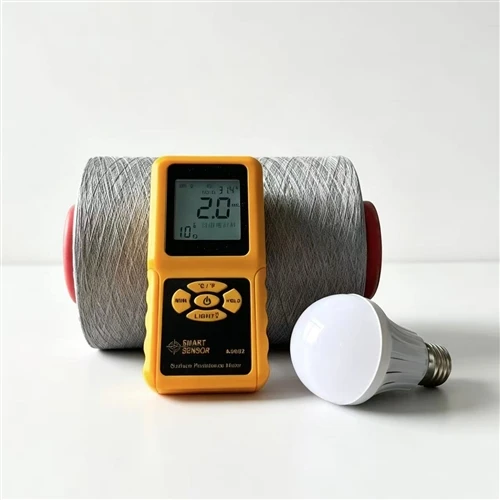
Now, when it comes to the standards for anti-static fiber, there are a few key things to consider. One of the most important factors is the conductivity of the fiber. Conductivity refers to the ability of the fiber to conduct electricity. In the case of anti-static fiber, we want it to have a certain level of conductivity so that it can effectively dissipate static charges.
There are different ways to measure the conductivity of anti-static fiber. One common method is to measure the surface resistivity. Surface resistivity is a measure of how easily electricity can flow across the surface of the fiber. The lower the surface resistivity, the better the conductivity of the fiber. Generally, for anti-static fiber to be effective, it should have a surface resistivity in the range of 10^6 to 10^9 ohms per square.


Another important standard is the durability of the anti-static properties. We don't want the anti-static effect to wear off after just a few uses. The fiber should be able to maintain its anti-static properties over a long period of time, even after repeated washing or exposure to different environmental conditions. This is often tested through accelerated aging tests, where the fiber is subjected to conditions like high temperature, humidity, and mechanical stress to simulate long-term use.
The mechanical properties of the anti-static fiber are also crucial. It should have good strength, flexibility, and abrasion resistance. After all, the fiber needs to be able to withstand the normal wear and tear in its intended applications. For example, in the textile industry, the anti-static fiber should be able to be woven or knitted into fabrics without breaking or losing its anti-static properties.
In addition to these technical standards, there are also some industry - specific requirements. For instance, in the electronics industry, anti-static fiber used in cleanrooms needs to meet strict cleanliness standards. It should not release any particles or contaminants that could damage the electronic components.
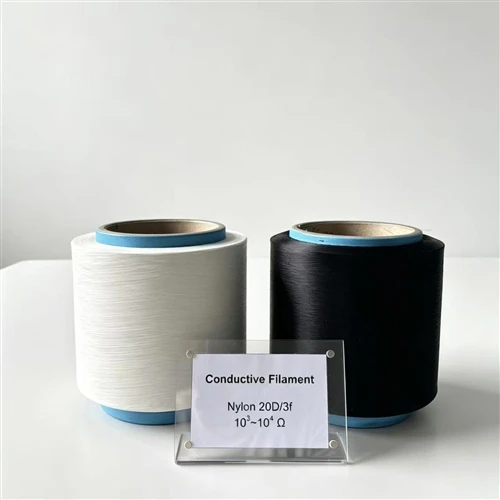
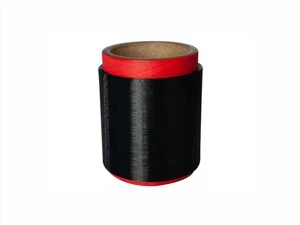
Now, let me introduce some of the products we offer. We have Nylon Conductive Fiber, which is known for its excellent conductivity and durability. It can be used in a wide range of applications, from clothing to industrial filters. Our Nylon Conductive Fiber Filament is another great option. It has a high strength - to - weight ratio and can be easily incorporated into different manufacturing processes. And then there's our Polyester Carbon Fiber Yarn Filament, which combines the advantages of polyester and carbon fiber, offering both anti - static properties and high mechanical strength.
When choosing anti - static fiber, it's also important to consider the cost - effectiveness. You want to get a product that meets all the necessary standards but also fits within your budget. At our company, we strive to offer high - quality anti - static fiber at competitive prices.
We understand that every customer has different needs. Whether you're a small business looking for a cost - effective solution for your products or a large corporation with strict quality requirements, we can work with you to find the right anti - static fiber for your application.
If you're interested in learning more about our anti - static fiber products or have any questions about the standards, feel free to reach out. We're always happy to have a chat and discuss how we can meet your specific needs. Whether it's for a new product development or an upgrade to your existing materials, we're here to help.
In conclusion, the standards for anti - static fiber involve a combination of conductivity, durability, mechanical properties, and industry - specific requirements. By choosing the right anti - static fiber that meets these standards, you can ensure the performance and reliability of your products. So, if you're in the market for anti - static fiber, don't hesitate to contact us. We're confident that we can provide you with the best solution for your anti - static needs.
References:
- Textile Industry Handbook on Anti - Static Materials
- Electronics Manufacturing Standards for Anti - Static Components