As a provider of Gloves Conductive Fiber, I understand the importance of determining whether your gloves contain conductive fibers. Conductive fibers in gloves have various applications, from electronics manufacturing to static control in sensitive environments. In this blog post, I'll share several methods to help you identify if your gloves have conductive fibers.
Visual Inspection
One of the simplest ways to start is through a visual inspection. Conductive fibers often have a distinct appearance. They might be darker in color compared to regular glove material. For example, if you're looking at a pair of gloves made primarily of a light - colored fabric, the conductive fibers could stand out as thin, black or gray strands.
Some gloves have conductive fibers woven in a specific pattern. You might notice a grid - like formation or parallel lines running through the glove. This pattern is often intentional to ensure even distribution of conductivity across the glove's surface. However, visual inspection has its limitations. The conductive fibers might be very fine or integrated in such a way that they're difficult to spot with the naked eye. In some cases, the gloves may have a coating that masks the appearance of the conductive fibers.
Electrical Testing
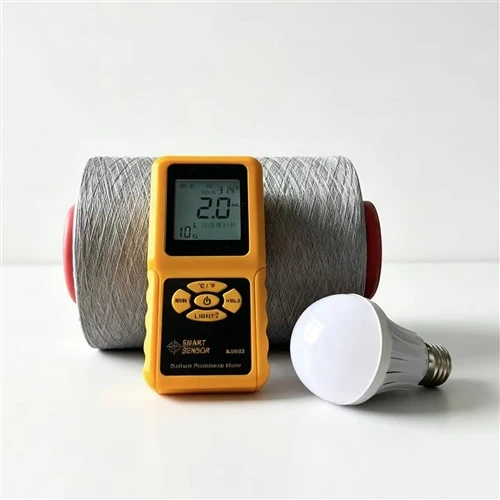
A more accurate method for determining the presence of conductive fibers is electrical testing. You can use a simple multimeter for this purpose. First, set the multimeter to measure resistance. Then, touch the two probes of the multimeter to different points on the glove. If the gloves contain conductive fibers, there should be a measurable flow of electricity, and the multimeter will display a resistance value.
It's important to note that the resistance value can vary depending on the type and density of the conductive fibers. For gloves used in anti - static applications, the resistance is typically in the range of 10^6 to 10^9 ohms. If the resistance is extremely high (close to infinity), it's likely that there are no conductive fibers or that they're damaged.
However, electrical testing also requires some caution. Make sure the gloves are dry and clean before testing, as moisture or contaminants can affect the accuracy of the results. Also, be aware that some gloves may have a non - conductive outer layer, which can interfere with the test. In such cases, you may need to carefully cut a small sample of the glove to expose the inner layer for testing.
Manufacturer's Information
Another reliable way to know if your gloves have conductive fibers is to check the manufacturer's information. Reputable manufacturers will usually provide detailed product specifications, including whether the gloves contain conductive fibers and what type of conductive fibers are used.
Look for labels on the glove packaging or product descriptions on the manufacturer's website. They may mention terms like "conductive," "anti - static," or list the specific conductive fiber material, such as carbon or metal - coated fibers. If you're still unsure, you can contact the manufacturer directly and ask for more information. They should be able to provide you with detailed technical data about the gloves.
Comparison with Known Samples
If you have access to a pair of gloves that you know contain conductive fibers, you can use them for comparison. Compare the appearance, feel, and electrical properties of the unknown gloves with the known ones.
Visually, look for similarities in the color, texture, and any visible fiber patterns. When it comes to electrical properties, use the same multimeter testing method on both pairs of gloves. If the resistance values and electrical conductivity characteristics are similar, it's likely that the unknown gloves also contain conductive fibers.
Applications of Gloves with Conductive Fibers
Gloves with conductive fibers have a wide range of applications. In the electronics industry, they're used to prevent static electricity from damaging sensitive electronic components. When handling circuit boards, microchips, or other delicate electronics, workers wear conductive gloves to ensure that any static charge is safely dissipated.

In the medical field, conductive gloves can be used in certain diagnostic and therapeutic procedures. For example, they can be used in conjunction with electrical stimulation devices to ensure proper contact and conductivity.
In the field of research and development, conductive gloves are used in experiments where precise electrical measurements or interactions are required. They allow researchers to handle electrical equipment and samples without introducing unwanted static charges.
Our Products and Offerings
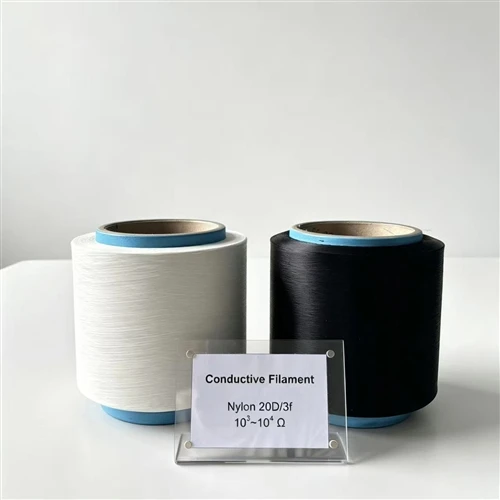
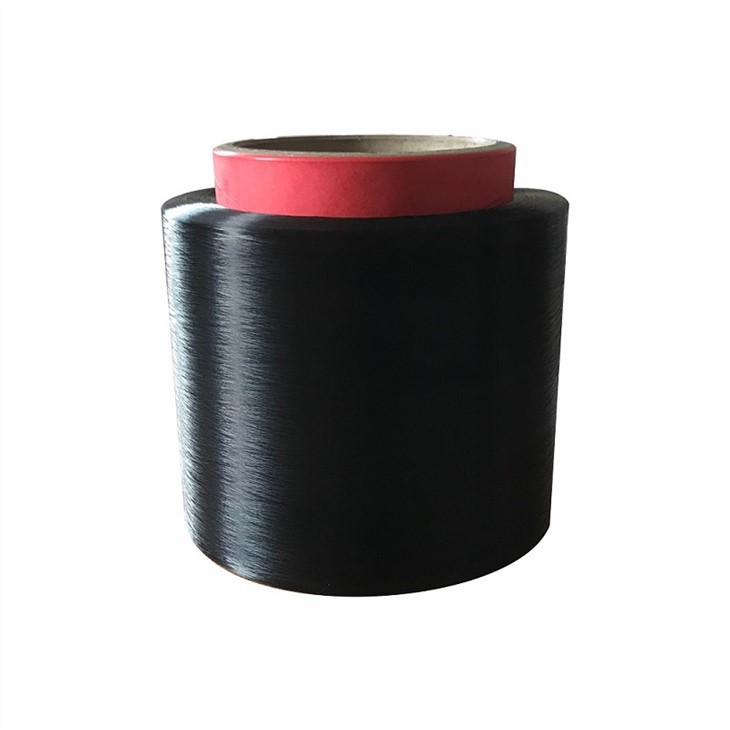
As a Gloves Conductive Fiber supplier, we offer a variety of high - quality products. Our Gloves Conductive Filament Yarn is made with advanced manufacturing techniques to ensure consistent conductivity and durability. The yarn is carefully selected and processed to provide the best performance in glove production.
We also provide Textile Conductive Filament that can be used not only for gloves but also for other textile applications. The filament is designed to be easily integrated into different fabric structures, providing effective conductivity in various environments.
In addition, our Conductive Fibers Textiles are versatile and can be used in a wide range of industries. They offer reliable static control and electrical conductivity, making them suitable for different application scenarios.
Conclusion
Determining whether your gloves have conductive fibers is crucial, especially in applications where static control or electrical conductivity is required. By using visual inspection, electrical testing, checking manufacturer's information, and comparing with known samples, you can accurately identify the presence of conductive fibers.
If you're in the market for high - quality gloves with conductive fibers or conductive fiber products in general, feel free to reach out to us. We're always ready to assist you with your needs and provide you with the best products and solutions. Our team of experts can help you select the right products based on your specific applications and requirements. Let's start a conversation about your conductive fiber needs and see how we can work together to meet your goals.
References
- "Handbook of Conductive Polymers", Alan G. MacDiarmid, Hideki Shirakawa, and Alan J. Heeger (Eds.), Taylor & Francis, 2nd Edition, 2001.
- "Textile Science: Fundamentals and Applications", J. E. Speakman, Elsevier, 1976.
- Industry standards and guidelines related to anti - static and conductive gloves from relevant professional organizations.