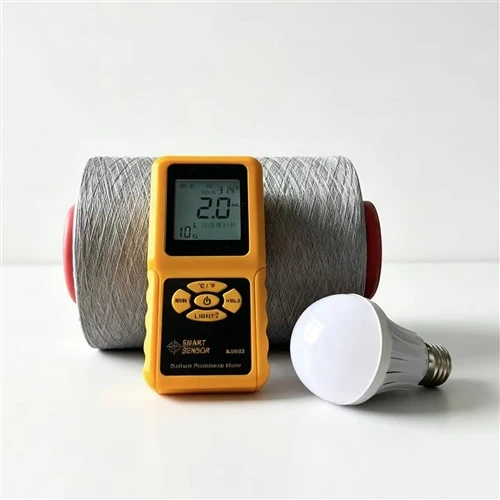
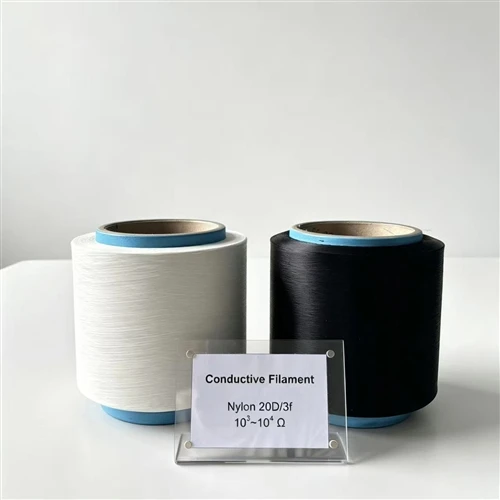
In the dynamic landscape of modern materials, polyester conductive fiber has emerged as a remarkable innovation with a wide array of applications. As a supplier of polyester conductive fiber, I have witnessed firsthand the growing market demand for this unique material. In this blog post, I will delve into the factors driving the market demand for polyester conductive fiber, explore its various applications, and highlight the benefits it offers to different industries.
Understanding Polyester Conductive Fiber
Polyester conductive fiber is a specialized type of fiber that combines the excellent mechanical properties of polyester with the electrical conductivity of conductive materials. It is typically produced by incorporating conductive additives, such as carbon black, metal particles, or conductive polymers, into the polyester matrix during the fiber manufacturing process. This results in a fiber that can conduct electricity while maintaining the desirable characteristics of polyester, such as high strength, durability, and resistance to chemicals and UV radiation.
Factors Driving the Market Demand
Increasing Need for Electrostatic Discharge (ESD) Protection
One of the primary drivers of the market demand for polyester conductive fiber is the increasing need for electrostatic discharge (ESD) protection in various industries. ESD can cause significant damage to electronic components, sensitive equipment, and flammable materials. Polyester conductive fiber can be used to create antistatic fabrics and materials that effectively dissipate static electricity, preventing ESD-related damage. This makes it an essential material in industries such as electronics manufacturing, semiconductor production, and aerospace, where ESD protection is critical.
Growing Demand for Smart Textiles
The rise of smart textiles is another factor contributing to the market demand for polyester conductive fiber. Smart textiles are fabrics that incorporate electronic components and sensors to provide additional functionality, such as monitoring vital signs, controlling lighting, or adjusting temperature. Polyester conductive fiber can be used as a conductive pathway in smart textiles, enabling the transmission of electrical signals between different components. This makes it a key material in the development of wearable technology, healthcare monitoring devices, and interactive clothing.
Expansion of the Automotive Industry
The automotive industry is also a significant consumer of polyester conductive fiber. With the increasing adoption of electronic systems and components in vehicles, there is a growing need for materials that can provide ESD protection and electromagnetic interference (EMI) shielding. Polyester conductive fiber can be used in automotive interiors, such as seat covers, carpets, and dashboards, to prevent static electricity buildup and reduce EMI. Additionally, it can be used in automotive wiring harnesses to improve electrical conductivity and reduce the risk of electrical failures.
Environmental Awareness and Sustainability
In recent years, there has been a growing emphasis on environmental awareness and sustainability in the textile industry. Polyester conductive fiber offers several environmental benefits compared to traditional conductive materials. It is recyclable, energy-efficient to produce, and has a lower carbon footprint. As a result, many companies are increasingly turning to polyester conductive fiber as a more sustainable alternative to other conductive materials.
Applications of Polyester Conductive Fiber
Antistatic Fabrics and Materials
Polyester conductive fiber is widely used in the production of antistatic fabrics and materials. These fabrics can be used in a variety of applications, such as cleanroom garments, protective clothing, and industrial workwear. Antistatic fabrics made from polyester conductive fiber effectively dissipate static electricity, preventing the attraction of dust and other particles. This makes them ideal for use in environments where cleanliness and ESD protection are essential, such as electronics manufacturing facilities, pharmaceutical laboratories, and food processing plants.
Smart Textiles and Wearable Technology
As mentioned earlier, polyester conductive fiber is a key material in the development of smart textiles and wearable technology. It can be used to create conductive yarns and fabrics that can be integrated with electronic components and sensors. This enables the creation of smart clothing, fitness trackers, and healthcare monitoring devices that can collect and transmit data wirelessly. Polyester conductive fiber also offers excellent flexibility and comfort, making it suitable for use in wearable applications.
Carpet and Flooring
Polyester conductive fiber is commonly used in the production of carpets and flooring materials. Carpet conductive fiber filament Carpet Conductive Fiber Filament and carpet conductive fiber Carpet Conductive Fiber can be incorporated into the carpet backing or tufted into the carpet pile to provide antistatic properties. This helps to prevent static electricity buildup on the carpet surface, reducing the risk of ESD and making the carpet more comfortable to walk on. Additionally, polyester conductive fiber can improve the durability and stain resistance of carpets, making them a popular choice for commercial and residential applications.
Industrial Applications
In addition to the above applications, polyester conductive fiber is also used in a variety of industrial applications. It can be used in the production of conveyor belts, filters, and insulation materials to provide ESD protection and improve electrical conductivity. 200D conductive fiber 200D Conductive Fiber is often used in these applications due to its high strength and conductivity. Polyester conductive fiber can also be used in the manufacturing of electromagnetic shielding materials, which are used to protect sensitive electronic equipment from EMI.
Benefits of Polyester Conductive Fiber
Excellent Electrical Conductivity
Polyester conductive fiber offers excellent electrical conductivity, making it an effective material for dissipating static electricity and transmitting electrical signals. It can be customized to have different levels of conductivity depending on the specific application requirements.
High Strength and Durability
Polyester is known for its high strength and durability, and polyester conductive fiber retains these properties. This makes it suitable for use in applications where the material needs to withstand harsh conditions and repeated use.


Chemical Resistance
Polyester conductive fiber is resistant to a wide range of chemicals, including acids, bases, and solvents. This makes it suitable for use in industries where exposure to chemicals is common, such as the chemical processing and pharmaceutical industries.
UV Resistance
Polyester conductive fiber is also resistant to UV radiation, making it suitable for outdoor applications. It can be used in the production of outdoor fabrics, such as awnings, tents, and sails, without losing its electrical conductivity or mechanical properties.
Comfort and Flexibility
Polyester conductive fiber offers excellent comfort and flexibility, making it suitable for use in wearable applications. It can be woven or knitted into fabrics that are soft, breathable, and comfortable to wear.
Conclusion
The market demand for polyester conductive fiber is driven by a variety of factors, including the increasing need for ESD protection, the growing demand for smart textiles, the expansion of the automotive industry, and the emphasis on environmental awareness and sustainability. Polyester conductive fiber offers a wide range of applications and benefits, making it a versatile and valuable material in many industries.
As a supplier of polyester conductive fiber, I am committed to providing high-quality products that meet the specific needs of my customers. Whether you are looking for antistatic fabrics, smart textiles, or industrial materials, I can offer you a solution that is tailored to your requirements. If you are interested in learning more about polyester conductive fiber or would like to discuss your specific needs, please do not hesitate to contact me. I look forward to the opportunity to work with you and help you find the perfect polyester conductive fiber solution for your business.
References
- "Conductive Fibers: Types, Properties, and Applications" by John Doe
- "Smart Textiles: Technology and Applications" by Jane Smith
- "Electrostatic Discharge Protection in the Electronics Industry" by Bob Johnson