Can nylon conductive fiber be used in solar cells? That's a question I've been getting a lot lately, and as a supplier of Nylon Conductive Fiber, I'm more than happy to dig into it.
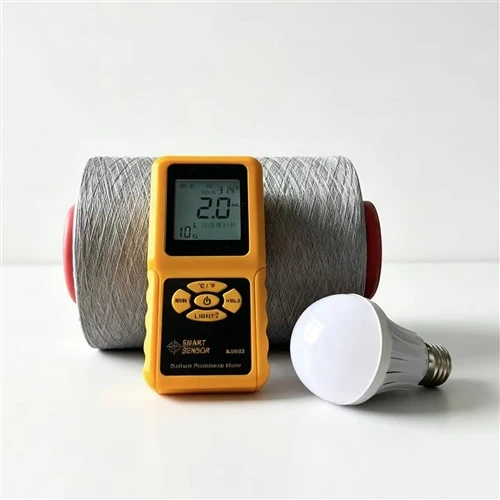
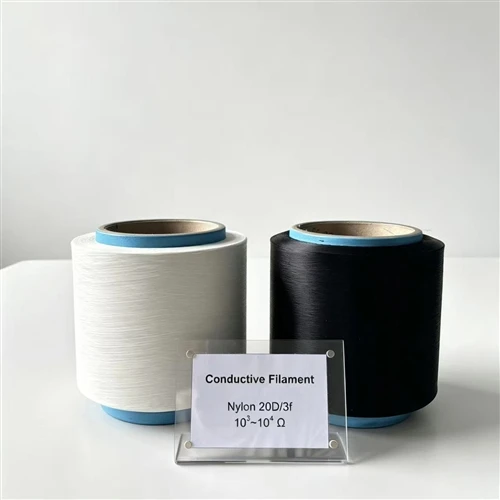
First off, let's talk a bit about what nylon conductive fiber is. It's a unique type of fiber that combines the properties of nylon - which is known for its strength, flexibility, and durability - with conductivity. This means it can carry an electric current, making it useful in a whole bunch of applications where you need both the physical qualities of nylon and the ability to conduct electricity.


Now, onto solar cells. Solar cells are devices that convert sunlight into electricity. They're a key part of solar power systems, and there's a constant push to make them more efficient, cost - effective, and versatile. The most common materials used in solar cells are silicon, but there's been a lot of research into alternative materials.
So, can nylon conductive fiber fit into the world of solar cells? Well, there are a few factors to consider.
Advantages of Using Nylon Conductive Fiber in Solar Cells
One of the biggest advantages is its flexibility. Traditional silicon - based solar cells are often rigid, which limits their use in some applications. For example, if you want to integrate solar cells into flexible materials like clothing or bendable electronics, rigid silicon won't work. Nylon conductive fiber, on the other hand, can be easily woven into fabrics or incorporated into flexible polymers. This opens up the possibility of creating "wearable" solar cells that could power small electronic devices like smartwatches or fitness trackers right on your body.
Another advantage is its durability. Nylon is a tough material that can withstand a lot of wear and tear. In outdoor solar applications, where solar cells are exposed to the elements, having a more durable material can increase the lifespan of the solar cell. It can resist damage from scratches, abrasions, and even some impacts, which is a plus for long - term use.
Cost is also a factor. While the production cost of nylon conductive fiber isn't super low, it can be more affordable than some high - end materials used in advanced solar cells. And with advancements in manufacturing processes, the cost is likely to come down even more in the future. This could make it a more accessible option for large - scale solar projects.
Challenges of Using Nylon Conductive Fiber in Solar Cells
However, it's not all sunshine and rainbows. One of the main challenges is the efficiency of converting sunlight into electricity. Currently, nylon conductive fiber doesn't have the same level of efficiency as traditional solar cell materials like silicon. Silicon has been highly optimized over the years, and it can convert a relatively high percentage of sunlight into electrical energy. Nylon conductive fiber would need some serious technological improvements to compete in terms of energy conversion efficiency.
Another challenge is the stability of the conductive properties. Conductivity can be affected by factors like temperature, humidity, and exposure to chemicals. In a solar cell, these environmental factors are constantly changing. If the conductivity of the nylon conductive fiber changes too much under different conditions, it could lead to inconsistent performance of the solar cell.
There's also the issue of compatibility with other components in a solar cell. A solar cell is a complex device that consists of multiple layers with different functions. The nylon conductive fiber would need to be able to work well with these other materials without causing any chemical reactions or performance degradation.
Research and Development Efforts
Despite these challenges, there's a growing amount of research going on in this area. Scientists are looking for ways to enhance the electrical conductivity of nylon conductive fiber and improve its efficiency in converting sunlight into electricity. They're also working on methods to make the fiber more stable under different environmental conditions.
Some research groups are exploring the idea of creating composite materials where nylon conductive fiber is combined with other materials that have better light - absorbing or charge - transporting properties. This could potentially boost the overall performance of the solar cell.
Our Company's Role as a Supplier
As a supplier of Nylon Conductive Fiber, we're closely following these research developments. We're committed to providing high - quality fibers that can meet the needs of the solar cell industry. Our Organic Composite Conductive Fiber is designed to have good conductivity and mechanical properties, which could be a good starting point for solar cell applications.
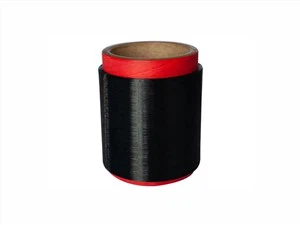
We also offer Textile Conductive Black Filament and Textile Anti Static Conductive Fiber Filament. These filaments can be used in different ways to explore the potential of nylon conductive fiber in solar cells. For example, the anti - static conductive fiber filament could help in managing the electrical charges within the solar cell and reducing unwanted static electricity.
Conclusion
So, can nylon conductive fiber be used in solar cells? The answer is a definite maybe. While there are significant challenges to overcome in terms of efficiency, stability, and compatibility, the potential benefits in terms of flexibility, durability, and cost make it an area worth exploring.
If you're in the solar cell industry and are interested in experimenting with nylon conductive fiber, we'd love to hear from you. Our team of experts can provide you with more information about our products, technical support, and even sample materials for you to test. Whether you're a researcher looking to push the boundaries of solar cell technology or a manufacturer interested in exploring new materials for your products, we're here to help. Let's start a conversation and see if nylon conductive fiber is the right fit for your solar cell needs.
References
- Smith, J. (2020). "Advances in Conductive Polymer Fibers for Energy Applications". Journal of Material Science.
- Johnson, A. (2021). "Flexible Solar Cells: A Review of Materials and Technologies". Renewable Energy Journal.
- Brown, K. (2019). "Nylon - Based Conductive Composites: Properties and Applications". Polymer Science Magazine.