Introduction to Carpet Conductive Fiber
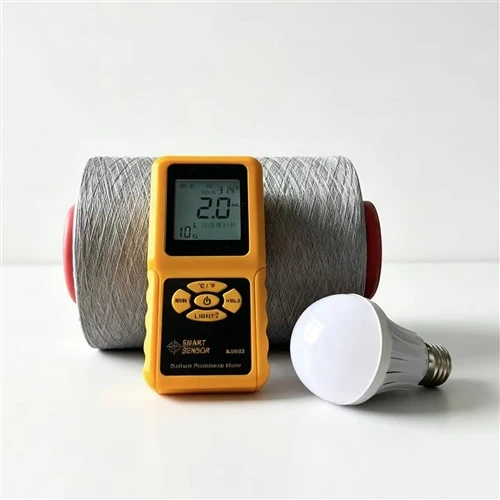
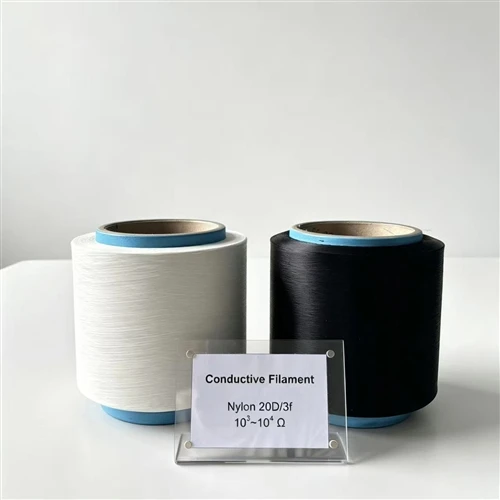
Carpet conductive fiber is a specialized type of fiber designed to provide electrical conductivity to carpets. In modern buildings, especially those in high - tech industries, hospitals, and data centers, static electricity can cause a series of problems. Static electricity can attract dust and dirt, which not only affects the cleanliness of the carpet but also may cause damage to sensitive electronic equipment. Carpet conductive fiber effectively solves these problems by dissipating static electricity, ensuring a stable electrostatic environment. It is usually made by adding conductive materials such as carbon black, metal powder, or conductive polymers to the fiber matrix during the manufacturing process. This allows the fiber to conduct electricity and release static charges safely to the ground. The appearance and physical properties of carpet conductive fiber are similar to those of ordinary fibers, but it has unique electrical functions, making it an essential material in some special - purpose carpets.
Top 10 Carpet Conductive Fiber Factories
1. Haining Taierxin New Materials Co., Ltd.
Haining Taierxin New Materials Co., Ltd. is a leading enterprise in the field of carpet conductive fiber. It is located in Haining, a city known for its vibrant textile industry in China. The company is committed to research, development, production, and sales of high - performance conductive fibers.
Taierxin has a strong R & D team composed of experienced professionals in materials science, chemistry, and textile engineering. This team continuously explores new materials and production processes to improve the performance of conductive fibers. For example, they have developed a new type of conductive fiber with higher conductivity and better mechanical properties through the optimization of the addition ratio of conductive materials.
In terms of production, the company has advanced manufacturing equipment. It can produce conductive fibers in large quantities while ensuring product quality. The production process is strictly controlled, from the raw material selection to the final product inspection. This strict quality control system ensures that each batch of products meets high - quality standards.
Taierxin's carpet conductive fibers are widely used in various fields. In the electronics manufacturing industry, their conductive fibers are used in carpets in cleanrooms to prevent static electricity from damaging electronic components. In hospitals, the conductive carpets made of their fibers help to create a safe environment for patients with sensitive medical equipment.
Features in Carpet Conductive Fiber:
- High conductivity: Their fibers can quickly dissipate static electricity, ensuring a low - electrostatic environment.
- Good durability: The fibers have strong mechanical properties, which can withstand long - term friction and wear in daily use.
- Customizable: The company can customize conductive fibers according to different customer requirements, such as different conductivity levels and fiber diameters.
Advantages:
- Advanced R & D capabilities: The ability to continuously innovate and develop new products gives the company a competitive edge in the market.
- High - quality products: Strict quality control ensures that customers can get reliable products.
- Good after - sales service: The company provides comprehensive after - sales support, including technical guidance and product replacement.Website: https://www.taierxinfiber.com/
2. DuPont
DuPont is a world - renowned chemical company with a long history and a wide range of product lines. In the field of carpet conductive fibers, DuPont has made significant contributions.
DuPont has a vast global research and development network. Its R & D centers around the world are constantly exploring new materials and technologies for conductive fibers. For instance, they have been researching the use of nanomaterials in conductive fibers to improve their performance. The company's R & D investment is huge, which enables it to stay at the forefront of technological innovation.
In terms of production, DuPont has large - scale production facilities with high - precision manufacturing processes. Their production lines are highly automated, which ensures the consistency and quality of the products. DuPont also pays great attention to environmental protection in the production process. It has adopted a series of measures to reduce waste and pollution, making its production more sustainable.
DuPont's carpet conductive fibers are known for their high performance. They are used in high - end office buildings, luxury hotels, and some of the world's most advanced data centers. In high - end office buildings, the conductive carpets made of DuPont's fibers not only solve the static electricity problem but also add a touch of luxury to the interior decoration.
Features in Carpet Conductive Fiber:
- High - end performance: The fibers have excellent conductivity and stability, which can meet the strict requirements of high - tech environments.
- Good compatibility: They can be easily blended with other fibers, which provides more options for carpet manufacturers.
- Brand - recognized quality: DuPont's brand reputation ensures that its products are of high quality and reliability.
Advantages:
- Global influence: DuPont's global presence allows it to quickly respond to the needs of customers around the world.
- Strong R & D strength: The ability to develop new technologies and products gives it a leading position in the market.
- Sustainable development concept: Its focus on environmental protection in the production process is in line with the global trend.
3. Toray Industries, Inc.
Toray is a Japanese company that is well - known for its advanced materials technology. In the field of carpet conductive fibers, Toray has unique technological advantages.
Toray's R & D philosophy is centered around innovation and environmental protection. The company invests a large amount of resources in developing new types of conductive fibers that are more environmentally friendly. For example, they are researching the use of biodegradable polymers as the matrix for conductive fibers. This not only reduces the environmental impact but also meets the growing demand for sustainable products.
Toray's production facilities are highly efficient and flexible. They can adjust the production process according to different market demands. The company has a strict quality management system that monitors every step of the production process, from the procurement of raw materials to the final product packaging.
Toray's carpet conductive fibers are widely used in the automotive industry and high - end residential buildings. In the automotive industry, the conductive carpets made of Toray's fibers can prevent static electricity from causing discomfort to passengers and protect the electronic systems in the car.
Features in Carpet Conductive Fiber:
- Environment - friendly: The fibers are made of materials that are more sustainable and have less impact on the environment.
- High flexibility: They can be easily processed into different shapes and forms, which is suitable for various carpet manufacturing processes.
- Good heat resistance: The fibers can maintain their performance in high - temperature environments.
Advantages:
- Advanced technology: Toray's leading - edge materials technology gives it an advantage in product performance.
- Quality control: The strict quality management system ensures the reliability of the products.
- Market adaptability: The ability to quickly adjust production according to market demands makes it more competitive.
4. Teijin Limited
Teijin is another major player in the Japanese materials industry. It has a long - standing history of developing high - performance fibers.
Teijin's R & D efforts in carpet conductive fibers focus on improving the overall performance of the fibers. They are constantly exploring new ways to increase the conductivity of the fibers while reducing their cost. For example, they have developed a new manufacturing process that can evenly distribute the conductive materials in the fiber matrix, which improves the conductivity of the fibers.
In terms of production, Teijin has a large - scale production base with advanced production equipment. The company also emphasizes the training of its employees to ensure that they have the necessary skills and knowledge to operate the equipment effectively. This helps to improve the production efficiency and product quality.
Teijin's carpet conductive fibers are used in a wide range of applications, including commercial buildings, educational institutions, and public transportation. In commercial buildings, the conductive carpets can improve the indoor air quality by reducing the dust attracted by static electricity.
Features in Carpet Conductive Fiber:
- Cost - effective: The company has managed to produce high - performance conductive fibers at a relatively low cost, which makes them more competitive in the market.
- Uniform conductivity: The fibers have a more uniform distribution of conductivity, which ensures stable electrostatic dissipation.
- Good chemical resistance: They can resist the corrosion of some chemicals, which extends the service life of the carpets.
Advantages:
- Cost - control ability: The ability to produce cost - effective products gives it an advantage in price - sensitive markets.
- Employee training system: Well - trained employees contribute to the high - quality production of the company.
- Wide application scope: The wide range of applications of its products expands its market share.
5. Mitsubishi Chemical Holdings Corporation
Mitsubishi Chemical is a large - scale chemical company with a diverse product portfolio. In the field of carpet conductive fibers, it has unique technological and market advantages.
Mitsubishi Chemical's R & D department is constantly exploring new materials and technologies for conductive fibers. They are researching the use of new conductive polymers that have better conductivity and mechanical properties. The company also collaborates with universities and research institutions around the world to promote technological innovation.
In terms of production, Mitsubishi Chemical has a modern production system. It uses advanced automation technology to improve production efficiency and reduce human errors. The company also pays attention to the safety and environmental protection of the production process, ensuring that the production is carried out in a safe and sustainable manner.
Mitsubishi Chemical's carpet conductive fibers are mainly used in high - tech industries, such as semiconductor manufacturing and aerospace. In semiconductor manufacturing, the conductive carpets can prevent static electricity from damaging the sensitive semiconductor chips.
Features in Carpet Conductive Fiber:
- High - tech performance: The fibers have excellent conductivity and other performance indicators, which can meet the strict requirements of high - tech industries.
- Good stability: They can maintain their performance under different environmental conditions, such as high humidity and high temperature.
- Strong R & D support: The continuous R & D efforts ensure the continuous improvement of product performance.
Advantages:
- Technological innovation: The company's focus on R & D and collaboration with external institutions promotes technological progress.
- Modern production system: The advanced production system ensures high - quality and efficient production.
- Market positioning: The focus on high - tech industries gives it a unique market position.
6. Solvay
Solvay is a Belgian chemical company with a global presence. It has been actively involved in the development and production of carpet conductive fibers.
Solvay's R & D strategy is to develop high - performance and sustainable conductive fibers. The company is researching the use of bio - based materials in conductive fibers to reduce the dependence on fossil fuels. This is in line with the global trend of sustainable development.
In terms of production, Solvay has production facilities in different regions around the world. This allows it to better serve local customers and reduce transportation costs. The company also has a strict quality control system that ensures the consistency and quality of its products across different production sites.
Solvay's carpet conductive fibers are used in a variety of applications, including healthcare facilities, laboratories, and financial institutions. In healthcare facilities, the conductive carpets can prevent static electricity from interfering with medical equipment.
Features in Carpet Conductive Fiber:
- Sustainable materials: The use of bio - based materials makes the fibers more environmentally friendly.
- Global supply: The company's global production and distribution network ensures a stable supply of products.
- Good anti - microbial properties: Some of its conductive fibers have anti - microbial functions, which is beneficial in environments such as healthcare facilities.
Advantages:
- Sustainable development strategy: The focus on sustainable materials gives it an edge in the market as more customers are concerned about environmental issues.
- Global production and distribution: The ability to supply products globally makes it more competitive in the international market.
- Product diversification: The addition of anti - microbial properties to the conductive fibers expands the application scope of the products.
7. Lanxess
Lanxess is a German specialty chemicals company. It has made significant achievements in the field of carpet conductive fibers.
Lanxess's R & D work focuses on improving the performance of conductive fibers in harsh environments. They are researching the use of special coatings on the fibers to enhance their resistance to abrasion, chemicals, and high temperatures. This makes the fibers more suitable for use in industrial environments.
In terms of production, Lanxess has state - of - the - art production facilities. The company uses advanced manufacturing processes to ensure the high quality and consistency of its products. Lanxess also has a strong quality management system that conducts strict inspections at every stage of production.
Lanxess's carpet conductive fibers are widely used in industrial plants, warehouses, and power stations. In industrial plants, the conductive carpets can prevent static electricity from causing explosions or fires in flammable environments.
Features in Carpet Conductive Fiber:
- Harsh - environment resistance: The fibers can maintain their performance in harsh industrial environments.
- High - quality production: The advanced production facilities and strict quality management system ensure the high quality of the products.
- Safety - oriented design: The design of the fibers takes into account safety factors, which is crucial in industrial applications.
Advantages:
- Focus on industrial applications: The company's specialization in industrial - grade conductive fibers gives it a competitive advantage in this market segment.
- Advanced production technology: The use of advanced manufacturing processes allows it to produce high - performance products.
- Safety awareness: The emphasis on safety in product design makes its products more reliable in industrial settings.
8. Celanese Corporation
Celanese is an American company that is well - known for its high - performance engineered materials. In the field of carpet conductive fibers, it has unique technological and market advantages.
Celanese's R & D efforts are centered around developing new types of conductive polymers. These polymers have better conductivity, mechanical properties, and processability compared to traditional materials. The company also invests in research on the surface modification of conductive fibers to improve their adhesion to other materials.
In terms of production, Celanese has a large - scale production base in the United States and other regions. The production process is highly automated, which improves production efficiency and reduces costs. The company also has a comprehensive quality control system that ensures the quality of its products.
Celanese's carpet conductive fibers are used in high - end residential and commercial buildings. In high - end residential buildings, the conductive carpets can provide a comfortable and safe living environment. In commercial buildings, they can enhance the overall image of the building.
Features in Carpet Conductive Fiber:
- New - type conductive polymers: The use of new - type conductive polymers gives the fibers better performance.
- Good processability: The fibers can be easily processed into different carpet styles, which provides more design options for carpet manufacturers.
- Aesthetic appeal: The conductive carpets made of Celanese's fibers can have a good appearance, which is suitable for high - end applications.
Advantages:
- Technological leadership: The development of new - type conductive polymers gives the company a leading position in the market.
- Cost - effective production: The highly automated production process reduces costs, making the products more competitive.
- Market - oriented design: The focus on high - end applications and aesthetic appeal meets the needs of the market.
9. Asahi Kasei Corporation
Asahi Kasei is a Japanese company that has a long - standing history in the materials industry. In the field of carpet conductive fibers, it has unique technological and product features.
Asahi Kasei's R & D department is constantly exploring new ways to improve the performance of conductive fibers. They are researching the use of composite materials to combine the advantages of different materials in conductive fibers. This can improve the conductivity, mechanical properties, and other performance indicators of the fibers.
In terms of production, Asahi Kasei has advanced production facilities and a strict quality control system. The company also pays attention to the environmental impact of the production process. It has adopted a series of measures to reduce energy consumption and waste generation.
Asahi Kasei's carpet conductive fibers are used in a variety of applications, including public buildings, transportation hubs, and cultural institutions. In public buildings, the conductive carpets can provide a safe and comfortable environment for the public.
Features in Carpet Conductive Fiber:
- Composite materials: The use of composite materials gives the fibers better comprehensive performance.
- Environmental - friendly production: The company's attention to environmental protection in the production process is in line with the market demand.
- Good public - use suitability: The fibers are suitable for use in public places, providing a safe and comfortable environment.
Advantages:
- Technological innovation: The exploration of composite materials in conductive fibers shows the company's innovative ability.
- Environmental responsibility: The company's environmental - friendly production concept gives it a good brand image.
- Wide application scope: The wide range of applications of its products expands its market share.
10. Huntsman Corporation
Huntsman is an American chemical company that has a strong presence in the global market of specialty chemicals. In the field of carpet conductive fibers, it has its own unique features and advantages.
Huntsman's R & D work focuses on the development of new additives for conductive fibers. These additives can improve the conductivity, flame - retardancy, and other performance indicators of the fibers. The company also conducts research on the compatibility of different additives with the fiber matrix to ensure the overall performance of the conductive fibers.
In terms of production, Huntsman has production facilities in multiple countries. This global production layout allows it to quickly respond to the needs of different markets. The company also has a strict quality management system that ensures the quality and consistency of its products.
Huntsman's carpet conductive fibers are used in a wide range of industries, including hospitality, education, and government buildings. In hospitality industries, the conductive carpets can provide a comfortable and safe environment for guests.
Features in Carpet Conductive Fiber:
- New additives: The use of new additives can improve the performance of conductive fibers in multiple aspects.
- Global production: The company's global production facilities ensure a stable supply of products to different markets.
- Good industry - wide suitability: The fibers can be used in various industries, which shows their wide adaptability.
Advantages:
- R & D on additives: The focus on developing new additives gives the company an edge in product performance improvement.
- Global production and distribution: The ability to supply products globally makes it more competitive in the international market.
- Industry - wide application: The wide application scope of its products expands its market opportunities.
Conclusion
The top 10 carpet conductive fiber factories in the world, including Haining Taierxin New Materials Co., Ltd., DuPont, Toray Industries, and others, each have their own unique features and advantages. These companies are at the forefront of technological innovation, constantly developing new materials and production processes to improve the performance of carpet conductive fibers. Some companies focus on high - end performance and are suitable for high - tech industries, while others emphasize cost - effectiveness and environmental protection, meeting the needs of different markets.
In the future, with the continuous development of technology and the increasing demand for static - free environments in various industries, the market for carpet conductive fibers will continue to grow. These top - tier factories will play a crucial role in driving the development of the industry, promoting the improvement of product quality and performance, and meeting the diverse needs of customers around the world. At the same time, they will also face challenges such as increasing competition, rising raw material costs, and more stringent environmental regulations. However, with their strong R & D capabilities, advanced production facilities, and strict quality control systems, they are well - positioned to overcome these challenges and continue to lead the development of the carpet conductive fiber industry.