Are conductive fiber gloves affected by static electricity? This is a question that often comes up in industries where these gloves are widely used, such as electronics manufacturing, cleanroom operations, and other static - sensitive environments. As a supplier of Gloves Conductive Fiber, I'm well - placed to delve into this topic and provide a comprehensive answer.
Understanding Conductive Fiber Gloves
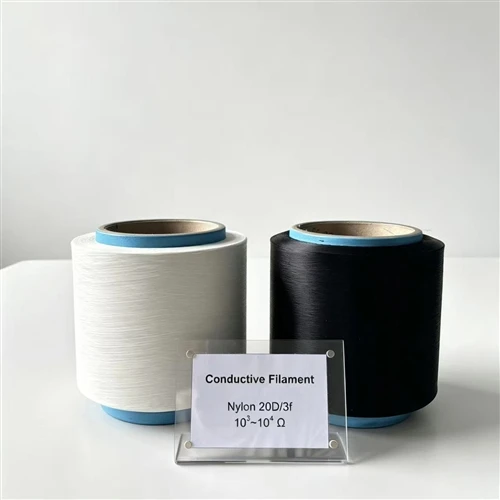
Conductive fiber gloves are designed with special fibers that have the ability to conduct electricity. These fibers are typically made from materials like carbon, metal - coated polymers, or other conductive substances. The main purpose of these gloves is to prevent the buildup and discharge of static electricity, which can be extremely harmful in certain settings.
In electronics manufacturing, for example, static electricity can cause damage to sensitive electronic components. A small electrostatic discharge (ESD) can fry integrated circuits, leading to product failures and increased production costs. Conductive fiber gloves act as a path for the static charge to flow safely to the ground, protecting both the worker and the electronic devices they are handling.
How Static Electricity Affects Conductive Fiber Gloves
To understand whether conductive fiber gloves are affected by static electricity, we first need to understand the nature of static electricity itself. Static electricity is the result of an imbalance of electric charges within or on the surface of a material. When two materials come into contact and then separate, electrons can be transferred from one material to the other, creating an electrostatic charge.
Conductive fiber gloves are engineered to be resistant to the effects of static electricity. The conductive fibers within the gloves provide a continuous path for the static charge to dissipate. When a person wearing these gloves generates static electricity, the charge can quickly move through the conductive fibers and be grounded, either through a wrist strap connected to a grounding system or through the person's contact with a conductive surface.
However, there are several factors that can potentially affect the performance of conductive fiber gloves in the presence of static electricity.
1. Fiber Quality
The quality of the conductive fibers used in the gloves is crucial. High - quality conductive fibers have better electrical conductivity and are more durable. Inferior fibers may lose their conductivity over time, especially if they are exposed to harsh chemicals, abrasion, or repeated stretching. For instance, in a chemical - handling environment, some chemicals can corrode the conductive coating on the fibers, reducing their ability to conduct static electricity effectively.
2. Glove Design and Construction
The way the gloves are designed and constructed also plays a role. Gloves that fit poorly may not provide a consistent path for static dissipation. If there are gaps or loose areas in the glove, the static charge may not be able to flow smoothly through the conductive fibers. Additionally, the stitching of the gloves can affect conductivity. Non - conductive stitching materials or improper stitching techniques can disrupt the flow of the static charge.
3. Environmental Conditions
Environmental factors such as humidity and temperature can have an impact on the performance of conductive fiber gloves. In low - humidity environments, static electricity is more likely to build up because the air is less able to conduct electricity, and moisture on the skin and gloves helps to dissipate static charges. When the humidity drops, the effectiveness of the gloves in dissipating static may be reduced. High temperatures can also cause some conductive materials to expand or change their electrical properties, potentially affecting the glove's performance.

Our Product Offerings
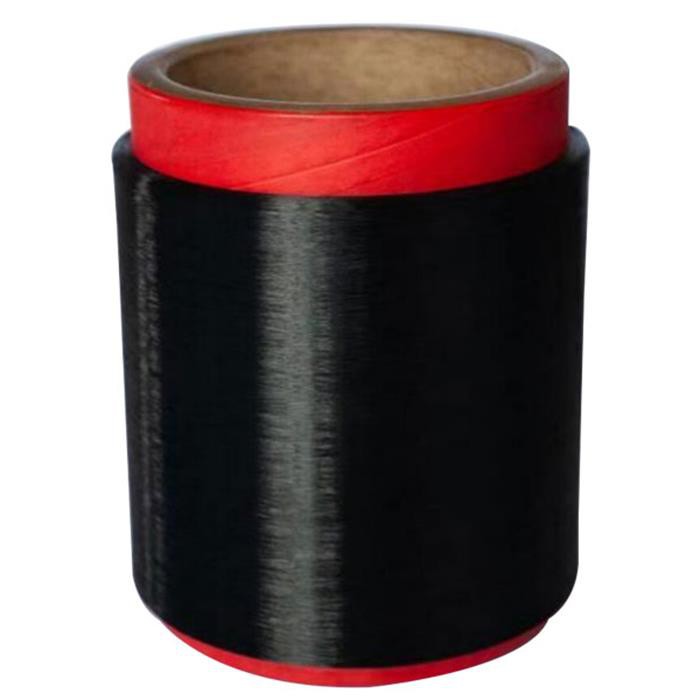
As a supplier of Gloves Conductive Fiber, we understand the importance of providing high - quality products that can effectively combat static electricity. Our gloves are made from top - notch conductive fibers, including those like Carpet Anti Static Conductive Fiber Filament, Textile Conductive Fiber Black Filament, and Electronic Textiles Conductive Fiber.
These fibers are carefully selected and tested to ensure optimal conductivity and durability. Our gloves are designed with a snug fit and use conductive stitching materials to maintain a continuous path for static dissipation. We also take into account different environmental conditions when developing our products, so our gloves can perform well in a variety of settings, from dry and cold cleanrooms to humid manufacturing plants.
Testing the Resistance to Static Electricity
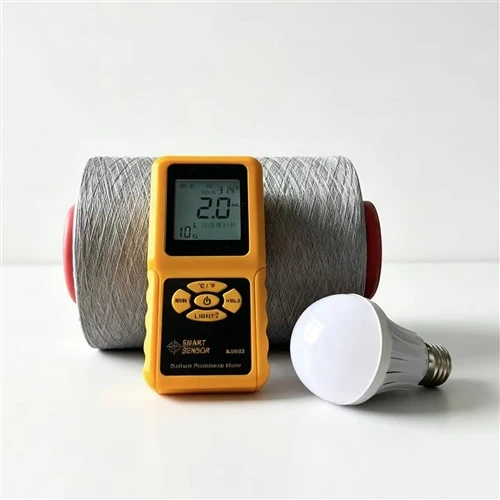
We conduct rigorous testing on our conductive fiber gloves to ensure their resistance to static electricity. One common test is the surface resistance test. This test measures the electrical resistance of the surface of the glove. A lower surface resistance indicates better conductivity and a greater ability to dissipate static charges.
We also use electrostatic decay testing. In this test, a static charge is applied to the glove, and the time it takes for the charge to decay to a certain level is measured. A shorter decay time means the glove can quickly and effectively get rid of the static charge.
Maintaining the Performance of Conductive Fiber Gloves
To ensure that conductive fiber gloves continue to perform well over time, proper maintenance is essential. Workers should follow the manufacturer's instructions for care and cleaning. In general, gloves should be washed regularly using mild, non - abrasive detergents. Harsh chemicals and high - temperature washing should be avoided, as they can damage the conductive fibers.
After washing, the gloves should be dried properly. High - heat drying can cause shrinkage and may affect the conductivity of the fibers. It's best to air - dry the gloves at room temperature.
Conclusion
In conclusion, while conductive fiber gloves are designed to resist the effects of static electricity, they can be affected by various factors such as fiber quality, glove design, environmental conditions, and maintenance. As a provider of Gloves Conductive Fiber, we are committed to offering products of the highest quality that can effectively protect against static electricity in different industrial applications.
If you are in need of conductive fiber gloves for your business, whether it's for electronics manufacturing, cleanroom work, or other static - sensitive operations, we invite you to contact us for procurement and further discussion. We can provide you with detailed product information, samples, and customized solutions to meet your specific requirements.
References
- Electrostatic Discharge Association (ESDA). Standards for the protection of electrostatic - discharge - sensitive devices.
- ASTM International. Standards for testing the electrical properties of conductive materials used in gloves.