- Why Static Electricity Is Dangerous in Mining
- The Working Principle of Static Free Fiber
- Key Types of Static Free Fiber Used in Mining
- Applications of Static Free Fiber in Mining Operations
- Durability Matters in Harsh Mining Conditions
- Quality Testing and Performance Standards
- Growing Demand for Conductive Fibers in Industrial Safety
- Why Overseas Buyers Choose Taierxin Fiber
- Conclusion
In modern mining operations, workplace safety is no longer just a regulatory requirement - it is a critical factor that directly affects productivity, operational continuity, and the protection of human life. Among the many hidden hazards in underground and open-pit mines, static electricity remains one of the most underestimated dangers. A tiny electrostatic spark can ignite combustible gases, coal dust, or chemical vapors, leading to catastrophic explosions and severe equipment damage.
As mining operations become increasingly automated and intensive, the demand for advanced anti-static materials continues to grow. One of the most effective solutions available today is Static Free Fiber, a specialized conductive fiber engineered to dissipate electrostatic charges before they accumulate to dangerous levels.
Why Static Electricity Is Dangerous in Mining
Mining environments contain numerous conditions that promote electrostatic generation. Conveyor belts continuously rub against ores and rollers, workers move through dry dusty tunnels, and synthetic textiles create friction during daily operations. All these actions generate electrostatic charges.
When these charges accumulate without a discharge pathway, the resulting spark can ignite:
Methane gas
Coal dust
Sulfur particles
Chemical vapors
Explosive airborne particulates
Even a low-energy electrostatic discharge may trigger a chain reaction in confined underground environments. This is why anti-static protection is considered essential in modern mining safety systems.
The Working Principle of Static Free Fiber
Static Free Fiber works by creating a conductive pathway that safely transfers electrostatic charges away from surfaces and into grounded systems. Instead of allowing electrical charges to accumulate, the fiber continuously dissipates them into the surrounding conductive network.
This process significantly reduces the possibility of electrostatic discharge (ESD) and prevents spark formation.
The principle is similar to a lightning protection system. Rather than allowing energy to accumulate until a dangerous discharge occurs, conductive fibers channel the electricity away safely and efficiently.
Key Types of Static Free Fiber Used in Mining
Organic Composite Conductive Fiber
Organic composite conductive fiber combines conductive materials with flexible polymer structures. This design provides excellent conductivity while maintaining softness, flexibility, and durability.
Key advantages include:
Stable electrical conductivity
High flexibility
Chemical resistance
Excellent abrasion resistance
Long service life in harsh environments
This type of fiber is widely used in:
Anti-static workwear
Dust filtration systems
Industrial fabrics
Flexible mining equipment components
Polyester Conductive Carbon Fiber
Polyester conductive carbon fiber combines the strength of polyester with the superior conductivity of carbon materials.
Carbon-based conductive fibers are highly valued because they offer:
Exceptional conductivity
High tensile strength
Heat resistance
Wear resistance
Stable anti-static performance
Applications include:
Conveyor belts
Protective gloves
Industrial ropes
Ventilation systems
Mining transport equipment
Because mining equipment operates under constant friction and heavy mechanical loads, polyester conductive carbon fiber provides both durability and reliable electrostatic control.
Static Free Filament Yarn for Textile Applications
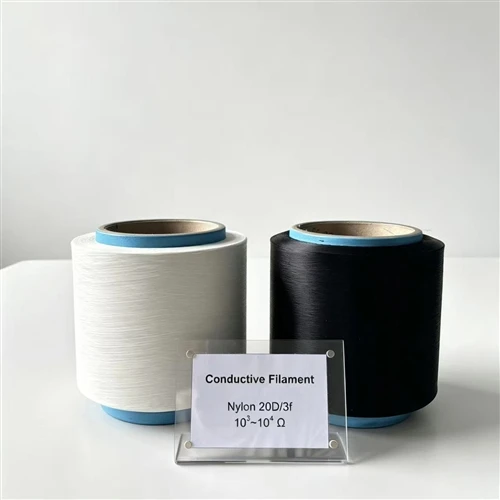
Static Free Filament Yarn is specially developed for textile manufacturing. The yarn can be woven or knitted into anti-static fabrics that help protect workers operating in hazardous environments.
Benefits include:
Comfortable wearability
Lightweight structure
Moisture management
Continuous electrostatic dissipation
Wash durability
Mining workers often spend long hours in high-temperature, high-humidity, and high-dust environments. Anti-static garments made with conductive filament yarn help reduce the risk of electrostatic accumulation while improving worker comfort and safety.
Applications of Static Free Fiber in Mining Operations
Anti-Static Conveyor Belts
Conveyor systems are among the biggest sources of static electricity in mines. As conveyor belts transport coal, ores, and aggregates, continuous friction generates large amounts of electrostatic charge.
Embedding Static Free Fiber directly into conveyor belt materials allows charges to dissipate immediately during operation. This greatly lowers ignition risks and improves operational safety.
Protective Clothing for Miners
Anti-static workwear is another essential application. Conductive yarns integrated into mining garments continuously neutralize static charges created by body movement and friction.
These garments are especially important in:
Coal mines
Chemical mining operations
Underground gas-rich environments
Explosive material handling zones
Dust Filtration Systems
Industrial filtration systems can also generate static electricity as dust particles move through filter media at high speeds. Conductive fibers incorporated into filtration fabrics help reduce electrostatic buildup and improve operational safety.
Grounding and Safety Components
Static Free Fiber is also used in:
Flexible grounding straps
Anti-static mats
Industrial packaging
Cable protection systems
Safety covers and liners
Durability Matters in Harsh Mining Conditions
Mining environments expose materials to:
Constant abrasion
Moisture
Corrosive chemicals
Extreme temperatures
Heavy mechanical stress
Standard anti-static materials often lose effectiveness after prolonged use. High-quality Static Free Fiber is engineered to maintain conductivity even under severe industrial conditions.
Advanced conductive fibers are designed with:
Strong polymer bonding
Stable conductive pathways
Resistance to washing and wear
Long-term electrical performance
This ensures consistent anti-static protection throughout the product lifecycle.
Quality Testing and Performance Standards
Reliable Static Free Fiber manufacturers conduct strict quality testing to ensure safety and compliance.
Testing typically includes:
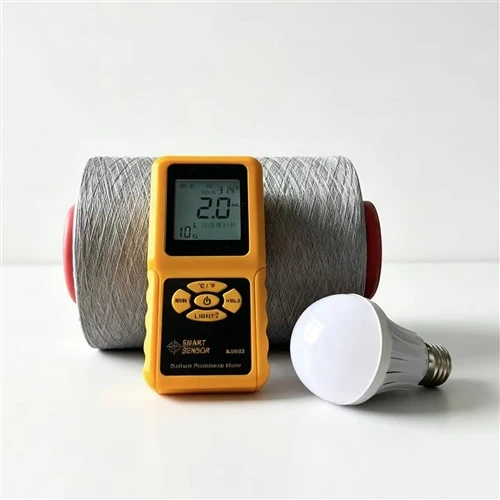
Surface resistivity measurement
Conductivity testing
Abrasion resistance testing
Tensile strength evaluation
Environmental durability testing
Heat and chemical resistance verification
These tests help ensure that conductive fibers maintain stable anti-static performance in real mining environments.
Growing Demand for Conductive Fibers in Industrial Safety
As industrial safety regulations become stricter worldwide, demand for conductive textile materials continues to increase across industries such as:
Mining
Oil and gas
Petrochemicals
Electronics manufacturing
Cleanroom production
Military applications
Mining companies are increasingly investing in advanced anti-static materials to improve worker safety, reduce accident risks, and comply with international safety standards.
Why Overseas Buyers Choose Taierxin Fiber
For overseas buyers seeking reliable conductive fiber suppliers, Taierxin Fiber has become a trusted manufacturer in the field of anti-static and conductive textile materials.
Taierxin Fiber specializes in the development and production of conductive yarns, anti-static fibers, and functional textile materials designed for industrial applications. The company offers a wide range of products including conductive carbon fibers, anti-static filament yarns, and composite conductive fibers widely used in mining safety garments, industrial fabrics, conveyor systems, and protective equipment.
One of the key advantages of Taierxin Fiber is its focus on product stability and customization. The company supports different conductivity levels, yarn specifications, textile compatibility requirements, and industrial application needs for global customers. With advanced manufacturing capabilities and strict quality control systems, Taierxin Fiber provides durable conductive solutions that perform reliably in harsh industrial environments.
For importers, wholesalers, mining equipment manufacturers, and industrial textile buyers, Taierxin Fiber offers both technical expertise and flexible OEM/ODM cooperation, making it a valuable long-term supply partner in the growing anti-static materials market.
Conclusion
Static electricity remains one of the most serious hidden hazards in mining operations. Without proper electrostatic control, even a small spark can result in devastating consequences.
Static Free Fiber provides a highly effective solution by safely dissipating electrostatic charges before they accumulate. Whether used in conveyor belts, protective clothing, industrial fabrics, or filtration systems, conductive fibers play a vital role in improving mining safety and operational reliability.
As global industries continue to prioritize workplace safety and anti-static protection, high-performance conductive fibers will become increasingly important in modern industrial applications. Companies that invest in advanced anti-static solutions today are taking an essential step toward safer, more efficient, and more sustainable mining operations tomorrow.