


As a supplier of Textile Anti - Static Fiber, I often get asked a whole bunch of questions from our customers. One of the most common ones that pops up is, "Is textile anti - static fiber flame - retardant?" It's a great question, and today, I'm gonna dig deep into this topic to give you a clear answer.
Understanding Textile Anti - Static Fiber
Let's start by chatting about what textile anti - static fiber actually is. Anti - static fibers are designed to prevent the build - up of static electricity in textiles. You know how sometimes when you take off a sweater, you get all those little shock bolts? That's static electricity, and it can be a real pain in the neck, especially in industrial settings where it might cause fires or damage to electronic equipment.
These anti - static fibers work in a few different ways. Some are made by incorporating conductive materials into the fiber structure. For example, carbon - based materials or metallic compounds can be added to the polymer during the fiber - making process. When the static charge builds up on the fabric, these conductive elements allow the charge to flow through the fiber and dissipate, rather than staying on the surface and causing problems.
You can check out Conductive Yarn and Thread on our website to see some of the anti - static solutions we offer. These are great for applications where you need to add anti - static properties to your textiles.
Flame - Retardant Basics
Before we talk about whether anti - static fibers are flame - retardant, we need to understand what flame - retardant means. Flame - retardant materials are those that have been treated or are inherently designed to slow down or prevent the spread of fire. They can do this in a few different ways. Some materials release gases when they're exposed to heat, and these gases can dilute the oxygen around the fire, making it harder for the fire to burn. Others form a protective layer on the surface of the material, which acts as a barrier between the fire and the flammable parts of the textile.
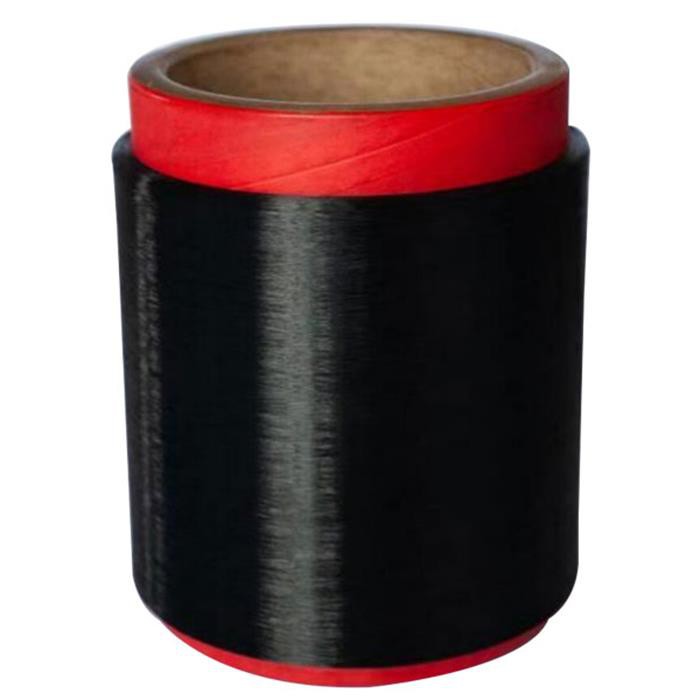

Are Anti - Static Fibers Flame - Retardant?
The short answer is: it depends. Not all textile anti - static fibers are flame - retardant. The anti - static property and the flame - retardant property are two separate things, and a fiber can have one, both, or neither.
There are some cases where the materials used to make anti - static fibers also happen to have flame - retardant properties. For example, certain metal - coated fibers not only conduct electricity to prevent static build - up but can also help slow down the spread of fire. The metal coating can act as a heat shield, reflecting some of the heat away from the fabric.
On the other hand, many anti - static fibers are not flame - retardant. Some carbon - based anti - static fibers, for instance, are mainly focused on conductivity. They're really good at getting rid of static electricity, but they don't necessarily have any built - in ability to stop a fire from spreading.
If you're looking for a fiber that's both anti - static and flame - retardant, you'll need to be more specific in your search. We at our company have Conductive Fiber Filament, which are engineered to provide both anti - static and some level of flame - retardant protection. These filaments are suitable for applications where both safety aspects are crucial, like in the aerospace or military industries.
Factors Affecting Flame - Retardant and Anti - Static Properties
A bunch of factors can influence whether a textile anti - static fiber is flame - retardant or not.
Material Composition: As I mentioned earlier, the type of material used in the fiber plays a huge role. Fibers made from certain polymers might have better inherent flame - retardant properties. For example, aramid fibers are known for their high heat resistance and flame - retardant qualities. If you add anti - static elements to aramid fibers, you can get a fiber that has both functions.
Treatment Processes: Sometimes, fibers can be treated after they're made to add either anti - static or flame - retardant properties. For anti - static treatment, chemicals can be applied to the surface of the fiber to make it conductive. For flame - retardant treatment, special fire - retardant chemicals are used. However, these treatments might not always work together well. For example, some anti - static treatments could reduce the effectiveness of flame - retardant treatments, or vice versa.
Blending: Fibers can be blended with other fibers to enhance their properties. For example, you can blend an anti - static fiber with a flame - retardant fiber to create a textile that has both benefits. However, the blending ratio and the compatibility of the two fibers are important. If the fibers don't blend well, it could affect the overall performance of the textile.
Applications and Requirements
The need for anti - static and flame - retardant properties really depends on the application.
Industrial Settings: In factories where there are flammable substances and sensitive electronic equipment, textiles need to be both anti - static and flame - retardant. For example, in a chemical plant, workers' uniforms need to prevent static electricity from causing sparks, which could ignite the flammable chemicals. At the same time, the uniforms should also resist fire in case of an accident.
Aerospace and Automotive: In these industries, weight and performance are critical. Textiles used in aircraft interiors or car seats need to be lightweight, anti - static, and flame - retardant. Any potential fire in an aircraft or a car can be extremely dangerous, so flame - retardancy is a must. And anti - static properties are necessary to protect the sensitive electronic systems on board.
If you're working in any of these industries and need Electronic Textiles Conductive Fiber that meet specific anti - static and flame - retardant requirements, we can offer you customized solutions.
How to Choose the Right Fiber
When you're in the market for fibers that meet your anti - static and flame - retardant needs, here are some tips:
Know Your Requirements: First, figure out exactly what you need. Consider the environment where the textile will be used, the level of anti - static and flame - retardant protection required, and any other special requirements like durability or comfort.
Test the Fibers: It's a good idea to test different fibers before making a decision. You can do small - scale tests to see how the fibers perform in terms of anti - static and flame - retardant properties. Some independent testing labs can also provide more accurate and detailed reports.
Consult with Experts: If you're not sure about which fiber to choose, don't hesitate to consult with experts. As a Textile Anti - Static Fiber supplier, we have a team of professionals who can help you understand your options and make the best choice.
Contact Us for Procurement
If you're in the process of sourcing textile anti - static fibers, whether you need them to be flame - retardant or not, we're here to help. We've got a wide range of products to meet different needs, and our team can work with you to develop customized solutions. Drop us a line to start a discussion about your procurement requirements. We're always happy to chat and find the best fit for your projects.
References
- "Textile Chemistry" by T. Trotman
- "Fire Retardancy of Textiles" by Horrocks and price
- Industry reports on anti - static and flame - retardant textiles.


