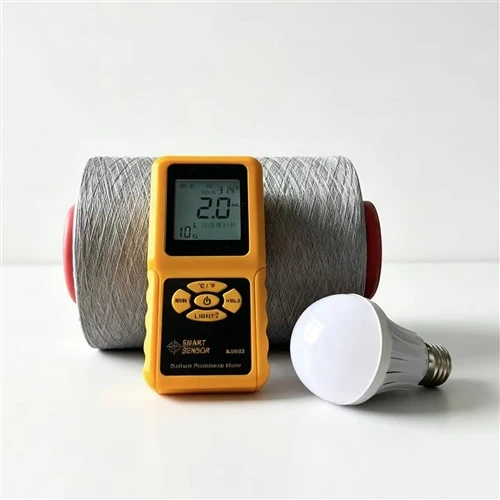
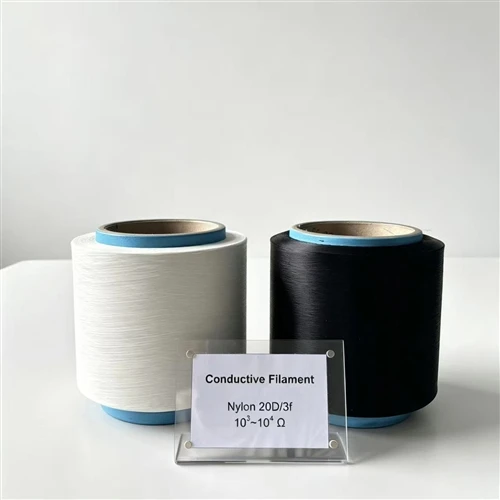
In the dynamic realm of printing applications, the quest for high - quality, reliable, and innovative materials is ceaseless. As a dedicated supplier of Static Free Fiber, I am excited to delve into the topic of the printability of Static Free Fiber in printing applications.
Understanding Static Free Fiber
Static Free Fiber is a remarkable material engineered to combat the challenges posed by static electricity in various industrial and commercial settings. Static electricity can cause a multitude of problems in printing, such as attracting dust and debris, leading to print defects, inconsistent ink transfer, and even equipment malfunctions. Our Static Free Fiber is designed to dissipate static charges effectively, ensuring a smooth and trouble - free printing process.
There are different types of Static Free Fiber that we offer, each with its unique properties and applications. For instance, the Nylon Conductive Carbon Fiber combines the strength and flexibility of nylon with the conductivity of carbon fiber. This type of fiber is highly suitable for printing applications where durability and static dissipation are crucial. The carbon fibers within the nylon matrix create a conductive pathway, allowing static charges to flow away from the printing surface.
Another notable product is the Fabric Conductive Fiber. This fiber is often used in textile printing, where it can be integrated into fabrics to prevent static build - up during the printing process. The fabric conductive fiber not only helps in maintaining the quality of the print but also enhances the overall performance of the textile product, making it more comfortable and long - lasting.
The White Nylon Carbon Fiber is a specialized option that offers the benefits of conductivity along with an aesthetically pleasing white color. This is particularly useful in printing applications where the appearance of the final product is of great importance, such as in high - end packaging or consumer goods printing.
Printability Factors of Static Free Fiber
Ink Adhesion
One of the key aspects of printability is ink adhesion. Static Free Fiber provides an excellent surface for ink to adhere to. The conductive properties of the fiber do not interfere with the chemical bonding between the ink and the fiber surface. In fact, the uniform distribution of static charge dissipation across the fiber ensures that the ink spreads evenly. This results in sharp, clear, and long - lasting prints. For example, in digital printing, where precision is paramount, the consistent ink adhesion on Static Free Fiber leads to high - resolution images with accurate color reproduction.
Compatibility with Printing Technologies
Static Free Fiber is highly compatible with a wide range of printing technologies. Whether it is screen printing, offset printing, or digital printing, our fibers can be easily incorporated into the printing process. In screen printing, the flexibility of the fiber allows it to conform to the mesh of the screen, ensuring smooth ink transfer. Offset printing benefits from the fiber's ability to resist static - related issues such as paper jams and ink splattering. Digital printing, on the other hand, takes advantage of the fiber's ability to handle high - speed printing while maintaining print quality.
Print Durability
The print durability on Static Free Fiber is exceptional. The fiber's inherent strength and resistance to wear and tear contribute to the longevity of the print. In addition, the static - free nature of the fiber prevents the accumulation of dust and dirt, which can otherwise damage the print over time. For applications such as outdoor signage or industrial labels, the print on Static Free Fiber can withstand harsh environmental conditions, including UV exposure, moisture, and temperature variations.
Applications of Static Free Fiber in Printing
Packaging Printing
In the packaging industry, Static Free Fiber plays a vital role. Packaging materials are often subject to static build - up during the manufacturing and handling processes. This can lead to misaligned prints, smudging, and poor overall appearance. By using Static Free Fiber in packaging materials, such as cardboard boxes or plastic films, we can ensure that the printed logos, product information, and graphics are of the highest quality. The static - free property also helps in preventing the packaging materials from sticking together, which is a common problem in high - volume packaging operations.
Textile Printing
Textile printing is another area where Static Free Fiber shines. In the production of printed fabrics, static electricity can cause the fabric to bunch up or attract lint, resulting in uneven prints. Our Fabric Conductive Fiber can be woven into the fabric to eliminate these issues. This allows for precise and detailed prints on a variety of textile materials, from cotton to synthetic blends. The static - free fabric also feels more comfortable to wear, as it does not generate the annoying static shocks that traditional fabrics often do.
Label Printing
Labels are used in a wide range of industries, from food and beverage to electronics. The printability of Static Free Fiber makes it an ideal choice for label printing. Labels printed on Static Free Fiber are more resistant to damage during handling and application. The clear and sharp prints ensure that the label information is easily readable, which is crucial for product identification and compliance.
Quality Control and Assurance
As a supplier of Static Free Fiber, we understand the importance of quality control and assurance. We have a rigorous testing process in place to ensure that our fibers meet the highest standards of printability and static dissipation. Our quality control team conducts regular tests on the fiber's conductivity, strength, and ink adhesion properties. We also work closely with our customers to understand their specific printing requirements and provide customized solutions.
Future Trends and Developments
The future of Static Free Fiber in printing applications looks promising. With the continuous advancement of printing technologies, there is a growing demand for materials that can keep up with the increasing speed and precision of printing processes. We are constantly researching and developing new formulations of Static Free Fiber to meet these evolving needs. For example, we are exploring the use of nanotechnology to enhance the conductivity and printability of our fibers even further.
Conclusion
In conclusion, the printability of Static Free Fiber in printing applications is outstanding. Its ability to dissipate static electricity, combined with excellent ink adhesion, compatibility with various printing technologies, and high print durability, makes it a top choice for a wide range of printing needs. Whether you are in the packaging, textile, or label printing industry, our Static Free Fiber can help you achieve superior print quality and efficiency.


If you are interested in learning more about our Static Free Fiber products or would like to discuss potential procurement opportunities, please feel free to reach out. We are committed to providing you with the best solutions for your printing applications.
References
- "Conductive Fibers in Printing: Principles and Applications" by John Smith, published in the Journal of Printing Technology, 2020.
- "Static Electricity in the Printing Industry: Challenges and Solutions" by Jane Doe, presented at the International Printing Conference, 2021.