- What Is Textile Conductive Fiber?
- Temperature Effects on Textile Conductive Fiber
- Humidity and Moisture Influence
- Chemical Exposure and Material Degradation
- Mechanical Stress and Physical Wear
- UV Light and Outdoor Exposure
- How Manufacturers Reduce Environmental Impact on Conductive Fibers
- Global Demand for High-Performance Conductive Textile Materials
- Why Overseas Buyers Choose Taierxin Fiber
- Conclusion
As smart textiles, wearable electronics, and functional fabrics continue to evolve, textile conductive fiber has become an essential material across multiple industries. From antistatic garments and touchscreen gloves to medical monitoring systems and industrial safety products, conductive fibers are increasingly used in applications that require stable electrical performance combined with textile flexibility.
However, one critical factor is often overlooked during product development and industrial application: environmental influence.
Environmental conditions can significantly affect the conductivity, durability, stability, and lifespan of textile conductive fibers. Factors such as temperature, humidity, chemical exposure, ultraviolet light, and mechanical stress can all influence the electrical behavior and physical performance of conductive textile materials.
Understanding these environmental effects is essential for manufacturers, engineers, textile designers, and global buyers who require reliable conductive textile solutions for long-term applications.
What Is Textile Conductive Fiber?
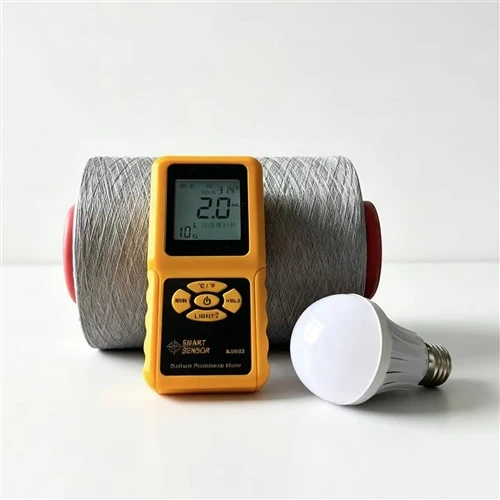
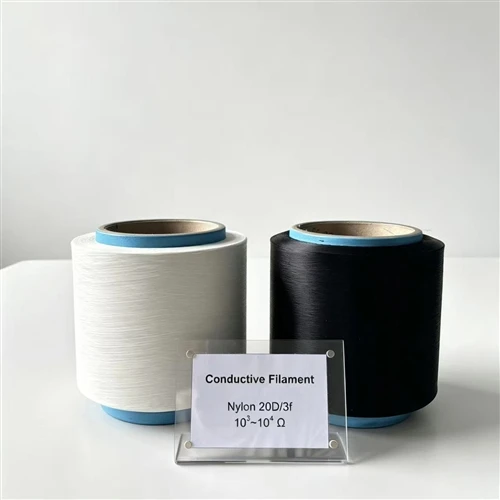
Textile conductive fiber is a specialized fiber engineered to conduct electricity while maintaining the softness, flexibility, and lightweight characteristics of traditional textile materials.
These fibers are commonly produced by integrating conductive materials such as:
Carbon particles
Silver coatings
Stainless steel filaments
Copper composites
Conductive polymers
into textile substrates like:
Polyester
Nylon
Cotton blends
Elastic yarns
Conductive textile fibers are widely used in:
Smart wearable devices
Antistatic workwear
Medical textiles
Flexible sensors
Heated clothing
Touchscreen gloves
Military fabrics
Automotive interiors
Because these products are often exposed to complex operating environments, understanding environmental impact is crucial for maintaining performance stability.
Temperature Effects on Textile Conductive Fiber
Temperature is one of the most important environmental factors affecting conductive fiber performance.
Low-Temperature Environments
In cold conditions, electron movement inside conductive materials slows down. This reduced electron mobility increases electrical resistance and lowers conductivity performance.
For example, when Polyester Conductive Carbon Fiber is used in:
Cold storage facilities
Arctic environments
Winter outdoor equipment
Refrigerated logistics systems
its conductive efficiency may decrease compared to normal room-temperature conditions.
Low temperatures may also make some textile substrates less flexible, increasing the risk of cracking or fiber fatigue during repeated movement.
High-Temperature Environments
High temperatures create a more complicated impact on conductive textile fibers.
Initially, increased thermal energy may improve electron movement and slightly enhance conductivity. However, prolonged heat exposure can eventually damage the conductive structure.
Potential problems include:
Expansion of fiber materials
Disruption of conductive pathways
Degradation of conductive coatings
Reduced tensile strength
Permanent conductivity loss
In industrial environments with high heat exposure, such as manufacturing plants or automotive systems, conductive fibers may experience accelerated aging if not properly protected.
For example, Fabric Anti Static Conductive Fiber exposed to continuous high-temperature processing conditions may gradually lose its antistatic effectiveness over time.
Humidity and Moisture Influence
Humidity is another critical environmental factor affecting textile conductive fibers.
Positive Effects of Moderate Humidity
In some cases, moderate moisture can improve conductivity because water molecules may help create additional conductive pathways on the fiber surface.
For instance, Gloves Conductive Fiber used in touchscreen gloves may respond more effectively under moderate humidity conditions due to improved surface conductivity.
Risks of Excessive Humidity
However, excessive moisture creates serious long-term risks.
High humidity can cause:
Corrosion of conductive components
Oxidation of metal particles
Fiber swelling
Reduced electrical stability
Mechanical deformation
When conductive fibers absorb excessive moisture, their structure may become unstable, affecting both conductivity and durability.
In applications requiring long-term stability, moisture protection becomes extremely important.
Chemical Exposure and Material Degradation
Conductive textile fibers are often used in industrial environments where they may come into contact with various chemicals.
These include:
Industrial cleaning agents
Acids
Alkalis
Solvents
Oils
Detergents
Impact of Chemical Corrosion
Strong chemicals can directly attack conductive materials inside the fiber structure.
Possible consequences include:
Breakdown of conductive coatings
Surface erosion
Reduced conductivity
Structural weakening
Permanent fiber damage
Acidic and alkaline substances are particularly harmful to metal-based conductive fibers.
Even mild chemical exposure over long periods can gradually degrade conductivity performance.
This is especially important in industries such as:
Chemical manufacturing
Industrial cleaning
Medical laboratories
Automotive production
where conductive textile materials require additional chemical resistance protection.
Mechanical Stress and Physical Wear
Mechanical stress is another major factor influencing conductive textile performance.
Conductive fibers are frequently subjected to:
Stretching
Bending
Twisting
Compression
Repeated movement
Vibration
Conductive Pathway Disruption
When textile conductive fibers are bent repeatedly, the internal conductive pathways may become damaged or disconnected.
This can lead to:
Increased electrical resistance
Signal instability
Reduced conductivity
Complete circuit failure
In wearable electronics and flexible sensors, repeated movement can accelerate mechanical fatigue.
Industrial environments with heavy machinery and constant vibration may also reduce the lifespan of conductive fibers.
Therefore, flexibility and durability are critical considerations during material selection.
UV Light and Outdoor Exposure
Ultraviolet (UV) radiation from sunlight can significantly affect conductive textile fibers used outdoors.
Photochemical Degradation
UV exposure may trigger photochemical reactions that damage the molecular structure of textile materials.
Long-term sunlight exposure can cause:
Fiber brittleness
Surface cracking
Color fading
Conductive layer deterioration
Reduced flexibility
Outdoor conductive textile applications such as smart sportswear, military textiles, and automotive fabrics require enhanced UV resistance to ensure long-term reliability.
How Manufacturers Reduce Environmental Impact on Conductive Fibers
As conductive textile technology advances, manufacturers are implementing various strategies to improve environmental resistance.
Temperature-Resistant Materials
Advanced conductive fibers are engineered to maintain stable performance across wider temperature ranges.
Protective thermal coatings may also improve heat resistance.
Hydrophobic Surface Treatments
Water-resistant coatings help prevent moisture absorption and reduce corrosion risks.
Hydrophobic technology is particularly useful for:
Outdoor applications
Medical textiles
Sportswear
Industrial safety clothing
Chemical-Resistant Conductive Fibers
Manufacturers are developing fibers with enhanced resistance to acids, alkalis, and industrial solvents.
These materials improve long-term durability in harsh industrial environments.
Enhanced Mechanical Durability
Improved fiber structures and flexible conductive formulations help reduce damage caused by repeated bending and stretching.
This is especially important for wearable electronic applications.
UV Protection Technology
UV-resistant additives and protective coatings can significantly extend the lifespan of conductive textile products used outdoors.
Global Demand for High-Performance Conductive Textile Materials
The global smart textile market continues to grow rapidly due to increasing demand for:
Wearable healthcare devices
Smart consumer electronics
Flexible sensors
Intelligent industrial fabrics
Antistatic safety clothing
Human-machine interaction systems
As performance standards become stricter, overseas buyers are increasingly seeking conductive textile suppliers capable of delivering:
Stable conductivity
Environmental resistance
Long-term durability
Customized technical solutions
Consistent production quality
Why Overseas Buyers Choose Taierxin Fiber
For international buyers looking for reliable conductive textile solutions, Taierxin Fiber has become a trusted supplier in the conductive fiber industry.
Taierxin specializes in the development and manufacturing of advanced conductive textile materials, including:
Textile conductive fiber
Conductive yarn
Carbon conductive fiber
Antistatic conductive materials
Conductive blended fibers
Smart textile solutions
Its products are widely used in:
Wearable electronics
Industrial protective clothing
Smart gloves
Medical textile systems
Antistatic fabrics
Flexible electronic applications
One of Taierxin's core strengths is its ability to provide customized conductive fiber solutions based on different environmental application requirements. The company focuses on improving conductivity stability, durability, flexibility, and environmental resistance to meet the growing demands of international markets.
With advanced manufacturing capabilities, strict quality control systems, and flexible OEM/ODM support, Taierxin has established long-term cooperation with overseas customers in the smart textile and functional fabric industries.
For buyers seeking high-quality conductive textile materials with reliable performance under complex environmental conditions, Taierxin offers professional technical support and stable global supply capabilities.
Conclusion
Environmental conditions play a critical role in determining the performance and lifespan of textile conductive fibers. Temperature fluctuations, humidity, chemical exposure, UV radiation, and mechanical stress can all affect conductivity stability and material durability.
As conductive textile applications continue expanding across wearable technology, industrial systems, and smart fabrics, manufacturers must prioritize environmental resistance during material design and production.
By developing more durable, flexible, and environmentally resistant conductive fibers, the textile industry can continue driving innovation while meeting the increasing performance expectations of global markets.
For international buyers, selecting an experienced and technically capable conductive fiber supplier is essential for ensuring long-term product reliability and market competitiveness.