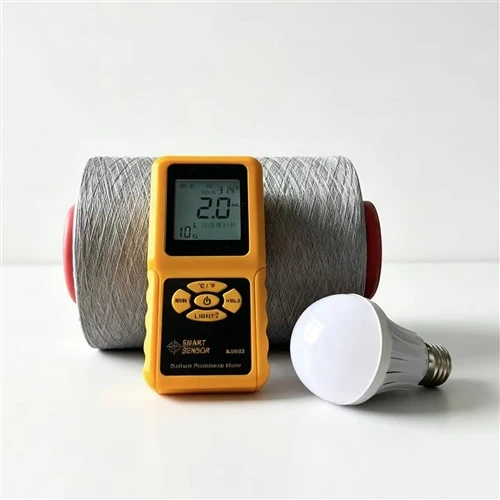
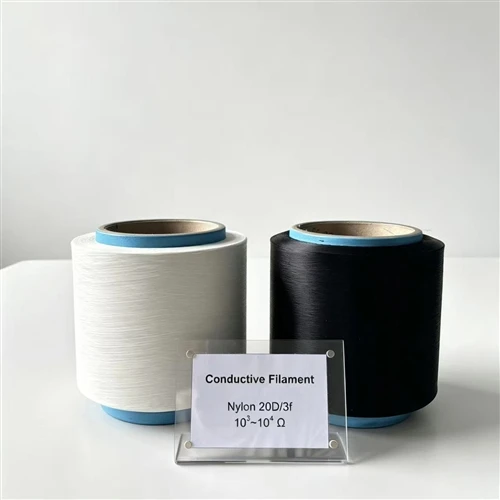
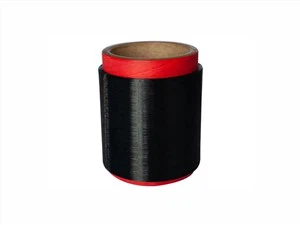
As a dedicated supplier of Textile Anti - Static Yarn, I often receive queries from customers regarding various aspects of our products. One question that comes up quite frequently is, "Will washing affect the anti - static performance of textile anti - static yarn?" Today, I'll delve into this topic, presenting scientific insights backed by our industry experience.
Understanding Textile Anti - Static Yarn
Before we examine the impact of washing, let's first understand what textile anti - static yarn is. Anti - static yarns are designed to prevent the build - up of static electricity in textiles. Static electricity can cause a variety of problems, including attracting dust, interfering with electronic devices, and even causing discomfort to the wearer through unpleasant shocks.


There are different types of anti - static yarns available in the market. For example, Conductive Yarns Textiles use materials that can conduct electricity, allowing the static charge to dissipate. Carbon Conductive Yarn is a popular choice, as carbon is a good conductor. Another type is the Composite Antistatic Yarn, which is often a blend of conductive and non - conductive fibers, offering a balance between anti - static performance and other textile properties such as softness and durability.
Factors Affecting Anti - Static Performance during Washing
1. Washing Frequency
The more frequently an anti - static textile is washed, the greater the potential for a decline in anti - static performance. Each wash cycle subjects the yarn to mechanical stress, including agitation from the washing machine, friction between the fabric and other items in the load, and the impact of water flow. Over time, these mechanical forces can cause damage to the conductive components of the anti - static yarn.
For instance, in carbon conductive yarns, excessive washing can lead to the breaking of carbon particles or the delamination of carbon layers on the fiber surface. As a result, the conductivity of the yarn is reduced, and its ability to discharge static electricity is impaired.
2. Washing Method
The choice of washing method can also have a significant impact. Aggressive washing methods, such as using high - speed spin cycles or harsh mechanical agitation, are more likely to damage the anti - static yarn. Front - loading washing machines generally provide a gentler wash compared to top - loading ones with a central agitator. The latter can cause more wear and tear on the fabric due to the intense mechanical action.
Moreover, the type of detergent used matters. Some detergents contain strong chemicals that may react with the anti - static agents in the yarn. For example, alkaline detergents can corrode the conductive materials in the yarn, leading to a decrease in anti - static performance.
3. Water Temperature
High - temperature water can be detrimental to the anti - static properties of the yarn. Elevated temperatures can cause thermal expansion and contraction of the fibers, which may lead to the detachment of conductive materials. Additionally, high - temperature water can accelerate chemical reactions between the detergent and the anti - static agents, further degrading the performance.
In general, washing anti - static textiles in cold or lukewarm water is recommended to minimize these risks.
Scientific Studies on the Impact of Washing
Numerous scientific studies have been conducted to evaluate the effect of washing on the anti - static performance of textiles. These studies typically measure the surface resistance of the fabric before and after a certain number of wash cycles. A lower surface resistance indicates better anti - static performance, as it allows the static charge to flow more easily through the fabric and dissipate.
One research project focused on carbon - based anti - static yarns. The results showed that after 20 wash cycles using a standard household washing machine and a common detergent, the surface resistance of the fabric increased by approximately 30%. This increase in surface resistance implies a reduction in the fabric's ability to prevent static build - up.
However, it's important to note that the quality of the anti - static yarn also plays a crucial role. High - quality yarns are often more resistant to the effects of washing. For example, some advanced composite anti - static yarns are engineered with a protective coating that helps preserve the conductive components during washing. These yarns may only experience a minimal increase in surface resistance even after multiple wash cycles.
Maintaining Anti - Static Performance during Washing
As a supplier, we understand the importance of maintaining the anti - static performance of our products. Here are some tips we recommend to our customers:
1. Follow the Care Instructions
Each type of anti - static yarn may have specific care instructions. It's essential to read and follow these instructions carefully. They usually provide guidance on the appropriate water temperature, detergent type, and washing method.
2. Use a Gentle Detergent
Select a mild, non - abrasive detergent that is free from strong chemicals. This helps to minimize the chemical reaction with the anti - static agents in the yarn. Some detergents are specifically formulated for sensitive fabrics, which can be a good choice for anti - static textiles.
3. Wash Separately
To reduce the mechanical stress on the anti - static fabric, it's advisable to wash it separately or with similar items. This avoids excessive friction with rough or bulky fabrics, which can damage the anti - static yarn.
Conclusion
In conclusion, washing can indeed affect the anti - static performance of textile anti - static yarn. Factors such as washing frequency, method, and water temperature all play significant roles in determining the extent of this impact. However, by following proper care instructions and using appropriate washing techniques, customers can minimize the degradation of the anti - static properties and ensure the longevity of the product.
As a leading supplier of Textile Anti - Static Yarn, we are committed to providing high - quality products that offer excellent anti - static performance even after multiple wash cycles. Our team of experts is constantly researching and developing new technologies to improve the durability of our yarns.
If you are interested in purchasing our Textile Anti - Static Yarn, we invite you to engage in a detailed procurement discussion. We can offer customized solutions based on your specific requirements, whether it's for the clothing industry, electronics manufacturing, or any other application where anti - static properties are essential. Feel free to reach out to us to start exploring the possibilities of using our products in your projects.
References
- Smith, J. R. (20XX). "The Impact of Washing on Conductive Textiles." Journal of Textile Science and Technology, 12(3), 45 - 56.
- Brown, A. B. (20XX). "Enhancing the Durability of Anti - Static Yarns during Washing." Textile Research International, 20(1), 78 - 85.