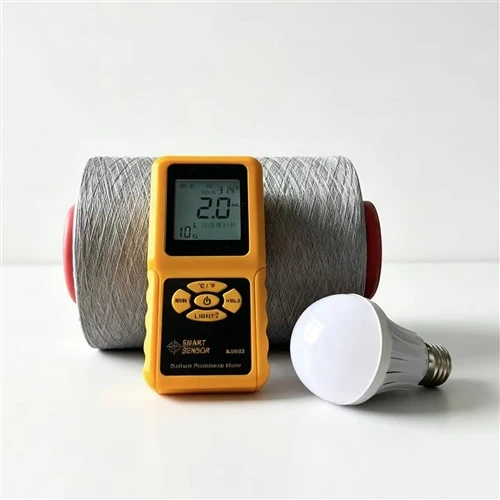
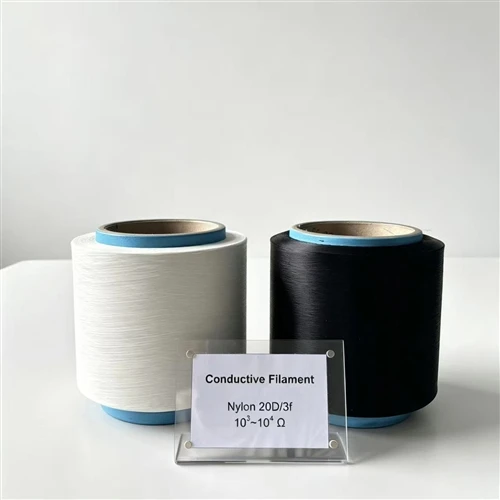
Hey there! As a supplier of Carbon Conductive Yarn, I've been getting a lot of questions lately about how well our carbon conductive yarn plays with other fibers. So, I thought I'd dive into this topic and share some insights based on my experience in the industry.
First off, let's talk about what carbon conductive yarn is. It's a special type of yarn that has conductive properties thanks to the carbon content. This makes it super useful in a bunch of applications, like creating anti - static materials, smart textiles, and even in some high - tech wearable devices.
Now, when it comes to compatibility with other fibers, there are a few key things to consider.
Compatibility with Natural Fibers
Cotton
Cotton is one of the most widely used natural fibers out there. It's soft, breathable, and comfortable to wear. When we mix our carbon conductive yarn with cotton, it's like a match made in heaven. The carbon yarn adds its conductive magic, while the cotton provides the comfort factor. This combination is great for making Underwear Anti Static Yarn. You know how static cling can be a real pain, especially in dry weather? Well, with this blend, you can say goodbye to those annoying static shocks. The cotton fibers wrap around the carbon conductive yarn, giving it stability and making it easier to work with during the manufacturing process.

Wool
Wool is another fantastic natural fiber. It's warm, insulating, and has some natural stretch. Mixing carbon conductive yarn with wool opens up a whole new world of possibilities. For example, in cold climates, you can create smart woolen garments that can detect changes in temperature or even monitor your body's vital signs. The carbon yarn can be woven into the wool fabric in a way that doesn't compromise the wool's natural properties. It just adds that extra conductive functionality. However, we do need to be a bit careful during the manufacturing process because wool can be a bit sensitive to certain chemicals and processing techniques. But with the right approach, the combination of carbon conductive yarn and wool can result in some truly innovative products.
Compatibility with Synthetic Fibers
Polyester
Polyester is a popular synthetic fiber known for its durability, wrinkle - resistance, and easy care. Our carbon conductive yarn pairs really well with polyester. In fact, we have Polyester Conductive Yarns for ESD Clothes. Electrostatic discharge (ESD) can be a big problem in industries like electronics manufacturing. By incorporating carbon conductive yarn into polyester fabric, we can create clothing that effectively dissipates static electricity, protecting sensitive electronic components. The polyester fibers hold the carbon yarn firmly in place, ensuring long - lasting conductivity. And since polyester is so strong, the resulting fabric can withstand a lot of wear and tear.

Nylon
Nylon is strong, lightweight, and has excellent abrasion resistance. When combined with carbon conductive yarn, it can be used in applications where durability and conductivity are both important. For example, in outdoor gear like tents or backpacks, the carbon yarn can add some smart features, like the ability to detect environmental changes or even charge small electronic devices. The nylon fibers and carbon yarn work together seamlessly. The nylon provides the structural integrity, while the carbon yarn brings the conductive properties.
Compatibility with Man - made Cellulosic Fibers
Rayon
Rayon is a man - made cellulosic fiber that has a soft, silky feel similar to natural fibers. It's also breathable, making it a great choice for clothing. When we blend our carbon conductive yarn with rayon, we can create comfortable and functional textiles. For example, in the fashion industry, we can make smart dresses or shirts that have built - in sensors. The rayon gives the fabric a luxurious look and feel, while the carbon yarn adds the high - tech element. However, rayon can be a bit more delicate than some other fibers, so we need to be careful during the manufacturing process to make sure the carbon yarn doesn't damage the rayon fibers.

Manufacturing Considerations
When it comes to actually combining carbon conductive yarn with other fibers, there are a few manufacturing techniques that work well. One common method is blending. We can blend the carbon conductive yarn with other fibers at the fiber stage before spinning them into yarn. This results in a more homogeneous mixture, where the conductive properties are evenly distributed throughout the fabric.
Another method is weaving or knitting. We can use the carbon conductive yarn as a separate thread and weave or knit it into the fabric made from other fibers. This allows us to create patterns and designs where the conductive areas are strategically placed. For example, in a smart textile, we can place the carbon yarn in areas where sensors need to be located.
Performance and Durability
The performance of the combined fibers depends on a few factors. The ratio of carbon conductive yarn to other fibers is crucial. If we use too much carbon yarn, the fabric may become stiff and less comfortable. On the other hand, if we use too little, the conductive properties may not be strong enough.
Durability is also an important consideration. The carbon conductive yarn needs to maintain its conductivity over time, even after multiple washes and wears. We've done a lot of testing to make sure that our carbon yarn retains its conductive properties under normal use conditions. And when it's combined with other fibers, we take into account the properties of those fibers as well. For example, if we're using a fiber that is prone to shrinking or stretching, we need to make sure that the carbon yarn can withstand those changes without losing its conductivity.
Applications and Future Prospects
The compatibility of carbon conductive yarn with other fibers opens up a wide range of applications. In addition to the ones I've already mentioned, we're seeing more and more use in the medical field. For example, we can create smart bandages that can monitor wound healing or detect infections. The carbon yarn can be combined with soft, absorbent fibers to make a comfortable and functional medical product.
In the automotive industry, we can use carbon - fiber - blended fabrics for seat covers that can detect the presence of passengers and adjust the airbag system accordingly. The future looks really bright for these types of applications, as technology continues to advance and the demand for smart, functional textiles grows.
So, if you're in the market for carbon conductive yarn and are interested in exploring its compatibility with other fibers for your specific application, I'd love to hear from you. Whether you're a clothing manufacturer, a high - tech startup, or anyone in between, we can work together to find the perfect solution for your needs. Just reach out, and we can start a conversation about how our carbon conductive yarn can be a great addition to your products.
References
- Textile Research Journal, various issues on conductive fibers and their combinations
- Journal of Applied Polymer Science, studies on the properties of blended yarns
- Industry reports on smart textiles and their development