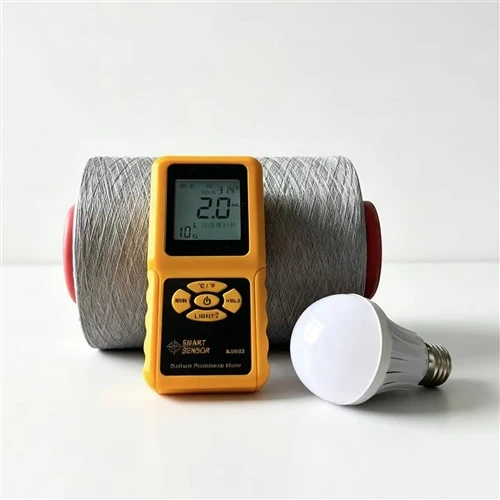
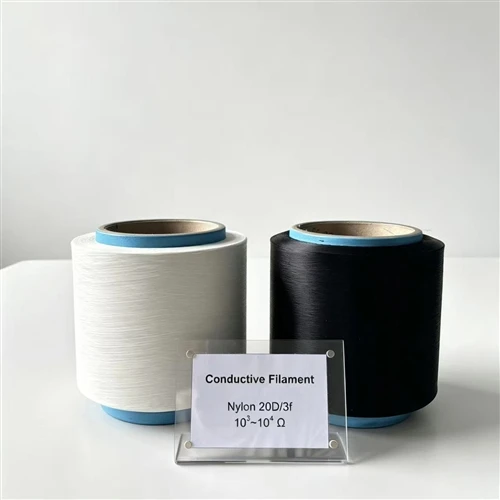
Yo, I'm an anti-static fiber supplier, and I've seen firsthand how important it is to maintain these nifty products. Anti-static fibers are used in all sorts of stuff, from Gloves Conductive Fiber to Carpet Anti Static Conductive Fiber Filament and Electronic Textiles Conductive Fiber. So, let's dive into how you can keep them in tip - top shape!
Understanding Anti - Static Fibers
First up, a quick rundown on what anti - static fibers are. These fibers have special properties that help prevent the buildup of static electricity. That's super important in industries like electronics, where static can fry sensitive components, or in environments where flammable gases or dust are present, as static sparks can be a major fire hazard.
Anti - static fibers work by conducting electricity, which allows any static charges to dissipate safely. There are different types of anti - static fibers, including those made with carbon, metal, or other conductive materials. The way you maintain them can vary a bit depending on the type of fiber and the product they're used in.
Cleaning and Washing
One of the most common ways to maintain anti - static fiber products is through proper cleaning. But you can't just throw them in the washing machine with your regular laundry detergent and expect the best results.
Detergent Selection
For Gloves Conductive Fiber and other wearable anti - static products, choose a mild, non - ionic detergent. Harsh detergents with strong chemicals can damage the conductive properties of the fibers. Non - ionic detergents are gentle on the fibers and still do a great job of removing dirt and grime.
When you're washing Carpet Anti Static Conductive Fiber Filament, make sure the cleaning solution you use is specifically designed for static - control carpets. Some carpet cleaners may leave behind residues that can interfere with the anti - static effect.
Washing Process
For wearable items, use a gentle cycle in the washing machine. Avoid using fabric softeners as they can coat the fibers and reduce their conductivity. After washing, it's better to air - dry the products. High heat from dryers can also damage the conductive fibers.
For carpets, spot - clean small stains as soon as possible. For a full cleaning, use a professional carpet cleaning service that is experienced in handling anti - static carpets.
Storage
Proper storage is also crucial for maintaining anti - static fiber products. If you're storing Electronic Textiles Conductive Fiber items, keep them in a dry and clean environment. Moisture can cause the fibers to corrode or lose their conductive properties.


Store the products in a cool place away from direct sunlight. UV rays can deteriorate the fibers over time. You can use storage containers or bags that are made of materials that won't generate static. Avoid storing anti - static products in plastic bags that can build up static themselves.
Inspection
Regular inspection is a must. Check your anti - static fiber products for any signs of wear and tear. For Gloves Conductive Fiber, look for holes, fraying, or other damage that could affect their performance.
Examine carpets made with Carpet Anti Static Conductive Fiber Filament for any areas that may have lost their anti - static properties. You can use a static meter to check the conductivity of the fibers if you have one. If you notice any issues, replace the damaged parts or the entire product if necessary.
Avoiding Chemical Exposure
Anti - static fibers can be sensitive to certain chemicals. Avoid exposing the products to strong acids, alkalis, solvents, and other chemicals. For example, if you're working in a lab where chemicals are used, make sure to protect your Gloves Conductive Fiber properly.
If you accidentally spill a chemical on an anti - static product, rinse it immediately with clean water and follow the appropriate cleaning procedures. But in some cases, the chemical damage may be irreversible, so prevention is key.
Handling
When handling anti - static fiber products, be gentle. Rough handling can cause the fibers to break or become misaligned, which can reduce their anti - static effectiveness. For example, when putting on or taking off Gloves Conductive Fiber, don't yank them too hard.
If you're installing Carpet Anti Static Conductive Fiber Filament, follow the installation instructions carefully. Improper installation can lead to problems with the anti - static performance of the carpet.
Reconditioning
In some cases, anti - static fiber products can be reconditioned. There are special treatments available that can help restore the conductive properties of the fibers. However, this should be done by a professional who is experienced in working with anti - static materials.
Before attempting any reconditioning, make sure to consult the manufacturer's guidelines. Some products may not be suitable for reconditioning, and improper treatment can actually make the problem worse.
Conclusion
Maintaining anti - static fiber products is essential to ensure their long - term performance and effectiveness. By following these tips on cleaning, storage, inspection, and handling, you can get the most out of your anti - static products.
If you're in the market for high - quality anti - static fibers or have any questions about maintenance, feel free to reach out. We're here to help you make the best choices for your anti - static needs and ensure that your operations run smoothly without the hassle of static electricity.
References
- Industry standards and guidelines for anti - static materials
- Manufacturer's manuals and product specifications for anti - static fiber products