Electromagnetic interference (EMI) has become a prevalent concern in the modern technological landscape. With the increasing use of electronic devices, from consumer gadgets to industrial machinery, the need for effective electromagnetic shielding is more prominent than ever. As a supplier of Conductive Tops, I have witnessed the growing demand for solutions that can mitigate the effects of EMI. In this blog post, I will delve into the effectiveness of Conductive Tops in electromagnetic shielding, exploring their mechanisms, performance factors, and real - world applications.
Understanding Electromagnetic Interference
Before discussing the effectiveness of Conductive Tops in shielding, it is essential to understand what electromagnetic interference is. EMI refers to the disruption of the proper operation of an electronic device by an electromagnetic field. It can be caused by natural sources, such as lightning, or human - made sources, including radio transmitters, power lines, and other electronic devices.
EMI can lead to a variety of problems, including data errors, malfunctions of electronic equipment, and even safety hazards in critical systems such as those in aviation and medical devices. Therefore, shielding is necessary to protect electronics from the detrimental effects of these electromagnetic fields.
How Conductive Tops Work for Electromagnetic Shielding
Conductive Tops are materials designed with conductive properties. The basic principle behind their shielding ability is grounded in the behavior of electric charges in a conductor. When an electromagnetic wave encounters a Conductive Top, the free electrons in the conductive material are set in motion by the electric field component of the wave.
These moving electrons generate their own electromagnetic field that opposes the incident field. This phenomenon is known as induced shielding. Through this process, a significant portion of the incident electromagnetic energy is reflected away from the Conductive Top, while a smaller amount is absorbed and dissipated as heat within the material.
The Construction of Conductive Tops
We offer a range of Conductive Tops with different compositions to suit various needs. For instance, the Anti Static Conductive Top is specifically engineered to minimize static electricity, which often accompanies electromagnetic interference. It is made with conductive polymers and additives that enhance its charge - dissipating capabilities.
The Static Free Conductive Top is another popular option. It is designed to provide a completely static - free environment in addition to electromagnetic shielding. This type of Conductive Top typically uses a laminate structure with a conductive layer on the surface and a substrate layer for mechanical support.
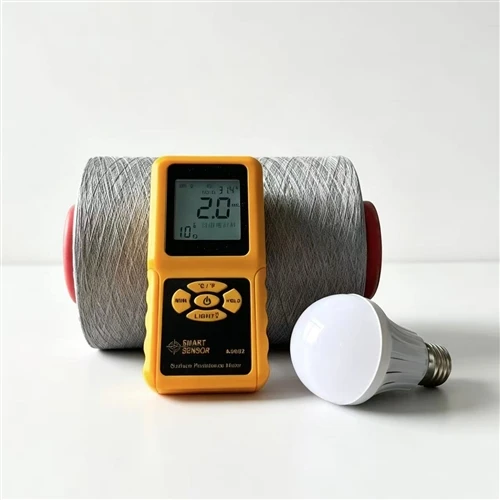
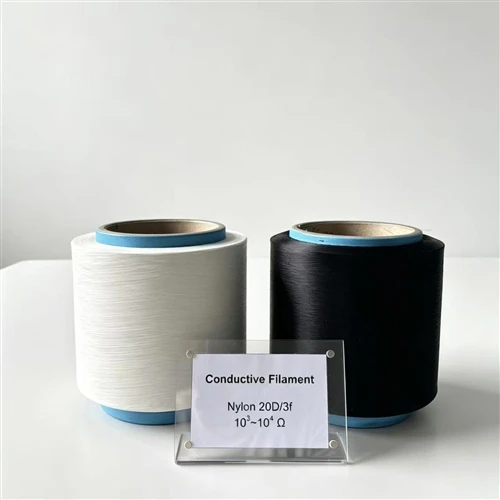
Our Textile Conductive Top stands out for its flexibility and ease of use. It is made by incorporating conductive fibers into a textile matrix. This not only gives it the ability to shield electromagnetic waves but also makes it suitable for applications where a soft and conformable material is required.
Factors Affecting the Effectiveness of Conductive Tops
The effectiveness of a Conductive Top in electromagnetic shielding is influenced by several factors.
Conductivity
The conductivity of the material is perhaps the most crucial factor. Higher conductivity means that the free electrons can move more freely in the material, resulting in better reflection and absorption of electromagnetic waves. Materials with high conductivity, such as metals, are often used in the construction of Conductive Tops or as conductive additives.
Thickness
The thickness of the Conductive Top also plays a role. Generally, a thicker Conductive Top can provide better shielding, as it offers more material for the electromagnetic waves to interact with. However, there is a point of diminishing returns, and the design must also consider other factors such as weight, flexibility, and cost.
Frequency Range
Different Conductive Tops have varying degrees of effectiveness across different frequency ranges. Some materials may be more effective at low frequencies, while others excel at high frequencies. Our products are engineered to have a broad frequency range of shielding capability to address a wide variety of EMI sources.
Environmental Conditions
The operating environment can affect the performance of Conductive Tops. Factors such as temperature, humidity, and exposure to chemicals can all impact the conductivity and integrity of the material over time. We design our Conductive Tops to withstand a range of environmental conditions to ensure long - term reliability.
Real - World Applications of Conductive Tops
Conductive Tops find extensive use in numerous industries.
Electronics Manufacturing
In the electronics manufacturing industry, Conductive Tops are used as work surfaces on assembly lines and testing stations. They protect sensitive electronic components from EMI during the manufacturing process, reducing the risk of defects and improving product quality.
Aerospace and Defense
In aerospace and defense applications, Conductive Tops are employed in the construction of aircraft, satellites, and military equipment. They help to shield the internal electronics from electromagnetic threats, ensuring the proper functioning of critical systems in challenging environments.
Medical Devices
Medical devices are highly sensitive to EMI, as interference can lead to inaccurate readings or malfunctions. Conductive Tops are used in the development and operation of medical equipment, such as MRI machines, to prevent electromagnetic interference and ensure patient safety.


Evaluating the Effectiveness of Conductive Tops
To accurately assess the effectiveness of Conductive Tops in electromagnetic shielding, several testing methods are employed. One common method is the use of a shielding effectiveness (SE) measurement. SE is defined as the ratio of the incident electromagnetic field strength to the field strength after passing through the shielding material. The higher the SE value, the more effective the shielding.
We subject our Conductive Tops to rigorous testing in accredited laboratories to ensure that they meet or exceed industry standards. This testing includes measurements across a wide frequency range and under different environmental conditions to provide our customers with reliable performance data.
Conclusion
In conclusion, Conductive Tops are an effective solution for electromagnetic shielding. Their ability to reflect and absorb electromagnetic waves, combined with their versatility in design and application, makes them an ideal choice for a wide range of industries.
As a supplier of Conductive Tops, I am committed to providing high - quality products that meet the evolving needs of our customers. If you are in need of a reliable electromagnetic shielding solution, I encourage you to reach out for more information and to discuss your specific requirements. We can work together to find the most suitable Conductive Top for your project.
References
- Grobe, R. L. (2018). Electromagnetic Compatibility Engineering. Cambridge University Press.
- Paul, C. R. (2010). Introduction to Electromagnetic Compatibility. Wiley - Interscience.