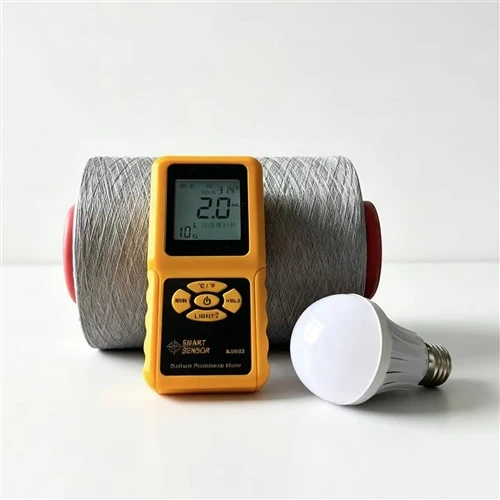
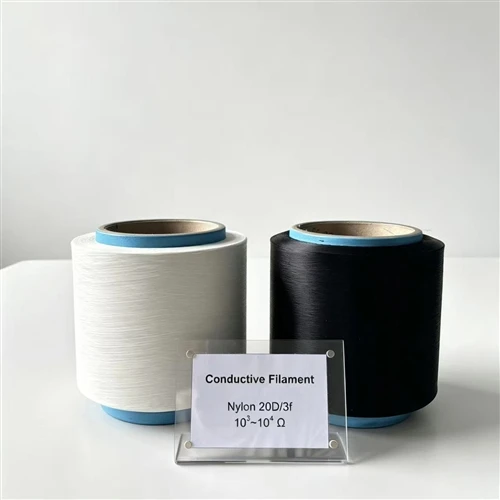
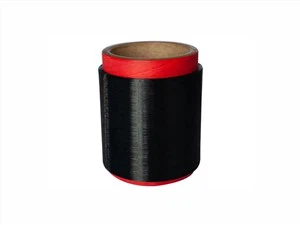
In the dynamic landscape of the textile industry, the question of whether textile anti - static yarn can be recycled is not only relevant but also crucial for sustainable development. As a supplier of Textile Anti Static Yarn, I've delved deep into this topic, exploring the possibilities and challenges associated with recycling these specialized yarns.
The Importance of Anti - Static Yarn in the Textile Industry
Anti - static yarns play a vital role in various sectors. In the electronics industry, for instance, static electricity can cause significant damage to sensitive electronic components. Anti - static clothing made from Conductive Yarn for Antistatic Clothing is essential to prevent electrostatic discharge (ESD) and protect these valuable components. Similarly, in the healthcare sector, anti - static textiles are used to prevent the build - up of static electricity, which can attract dust and contaminants.
In the fashion industry, Underwear Anti Static Yarn is becoming increasingly popular. Static cling in clothing can be a nuisance, causing discomfort and an unflattering appearance. Anti - static underwear not only provides a more comfortable wearing experience but also reduces the risk of static - related issues such as attracting lint.
Composition of Textile Anti - Static Yarn
To understand the recyclability of textile anti - static yarn, it's important to first examine its composition. Most anti - static yarns are made by blending conductive fibers with traditional textile fibers such as polyester, cotton, or nylon. The conductive fibers can be made from materials like carbon, stainless steel, or conductive polymers.
For example, Polyester Conductive Yarns for ESD Clothes are a common type of anti - static yarn. They combine the durability and strength of polyester with the anti - static properties of conductive fibers. The presence of these different materials in the yarn presents both opportunities and challenges for recycling.
Current Recycling Methods for Textiles
The textile industry has made significant progress in developing recycling methods for traditional textiles. Mechanical recycling involves shredding the textile waste into fibers, which can then be spun into new yarns. Chemical recycling, on the other hand, breaks down the textile polymers into their monomers, which can be used to produce new polymers.
However, the recycling of anti - static yarns is more complex due to the presence of conductive materials. The conductive fibers may not be compatible with the existing recycling processes for traditional fibers. For example, carbon - based conductive fibers may contaminate the recycling stream if not properly separated.
Challenges in Recycling Textile Anti - Static Yarn
One of the main challenges in recycling anti - static yarn is the separation of the conductive fibers from the traditional fibers. The blending process used to create anti - static yarns often results in a homogeneous mixture, making it difficult to separate the different types of fibers. Additionally, the conductive fibers may have different physical and chemical properties compared to the traditional fibers, which can further complicate the separation process.
Another challenge is the potential degradation of the conductive properties during the recycling process. The conductive materials may lose their effectiveness when subjected to high temperatures or mechanical stress during recycling. This can result in recycled anti - static yarns that do not meet the required anti - static performance standards.
Potential Solutions for Recycling Anti - Static Yarn
Despite the challenges, there are several potential solutions for recycling textile anti - static yarn. One approach is to develop new separation technologies that can effectively separate the conductive fibers from the traditional fibers. For example, advanced sorting techniques using sensors and imaging technology could be used to identify and separate the different types of fibers based on their physical and chemical properties.
Another solution is to modify the recycling processes to be more compatible with the conductive materials. This could involve adjusting the temperature, pressure, and chemical treatments used in the recycling process to ensure that the conductive properties of the fibers are maintained.
Collaboration between different stakeholders in the textile industry is also crucial. Textile manufacturers, recyclers, and researchers need to work together to develop and implement sustainable recycling solutions for anti - static yarns. This could involve sharing knowledge, resources, and expertise to overcome the technical and economic barriers to recycling.
Environmental and Economic Benefits of Recycling Anti - Static Yarn
Recycling textile anti - static yarn offers several environmental and economic benefits. From an environmental perspective, recycling reduces the amount of textile waste that ends up in landfills. Textile waste is a significant contributor to environmental pollution, as it takes a long time to decompose and can release harmful chemicals into the environment.
Economically, recycling can reduce the cost of raw materials for textile manufacturers. By using recycled anti - static yarns, manufacturers can save on the cost of purchasing new conductive fibers and traditional fibers. Additionally, the development of a recycling industry for anti - static yarns can create new jobs and stimulate economic growth.
The Future of Recycling Textile Anti - Static Yarn
The future of recycling textile anti - static yarn looks promising. With the increasing demand for sustainable textiles and the growing awareness of environmental issues, there is a strong incentive for the textile industry to develop effective recycling solutions for anti - static yarns.
As technology continues to advance, we can expect to see more innovative separation and recycling technologies being developed. These technologies will not only improve the efficiency of recycling but also ensure that the recycled anti - static yarns meet the required quality and performance standards.
Conclusion
In conclusion, while there are challenges associated with recycling textile anti - static yarn, it is indeed possible with the right approach. As a supplier of Textile Anti Static Yarn, I am committed to promoting sustainable practices in the industry. By working together with our customers, partners, and the wider textile community, we can overcome the challenges and develop a more sustainable future for anti - static yarns.
If you are interested in learning more about our Textile Anti Static Yarn products or have any questions regarding recycling, please feel free to contact us. We are always happy to engage in discussions and explore potential partnerships for sustainable textile solutions.


References
- "Sustainable Textile Recycling: Current Practices and Future Trends" - Journal of Textile Science and Technology
- "Conductive Fibers and Their Applications in Anti - Static Textiles" - Textile Research Journal
- "The Environmental Impact of Textile Waste and the Role of Recycling" - Environmental Science and Policy